The 18650 cell remains a familiar choice for power tools, lighting, medical equipment, and other portable devices. For global buyers, however, a cylindrical shape is only the starting point. Capacity, cycle life, discharge performance, traceability, and consistency between production batches all affect whether a cell performs reliably in its intended product.
The International Energy Agency’s Global EV Outlook 2024 reports that electric-car battery demand reached about 750 GWh in 2023, roughly 40% higher than in 2022. That figure covers EV batteries broadly, not 18650 cells alone, but it shows the scale and pace of change across the battery supply chain. Demand is rising. Buyers still need to verify the details.
Battery researcher Jeff Dahn’s work on lithium-ion cell life and degradation offers a useful lens: durability should be demonstrated through testing, not assumed from a specification sheet. This is a paraphrase of his research, not a direct quotation. A supplier’s stated capacity, for example, means little without clear test conditions and batch-level quality records. Even experienced buyers can miss this distinction. A cell that looks identical on a sample bench may behave differently under sustained load or repeated charging. This guide compares leading 18650 battery manufacturers and highlights practical checks for evaluating their products, production capabilities, and documentation. It also uses the keyword batterie 18650 in its common search context, while keeping the buying criteria grounded in measurable evidence.
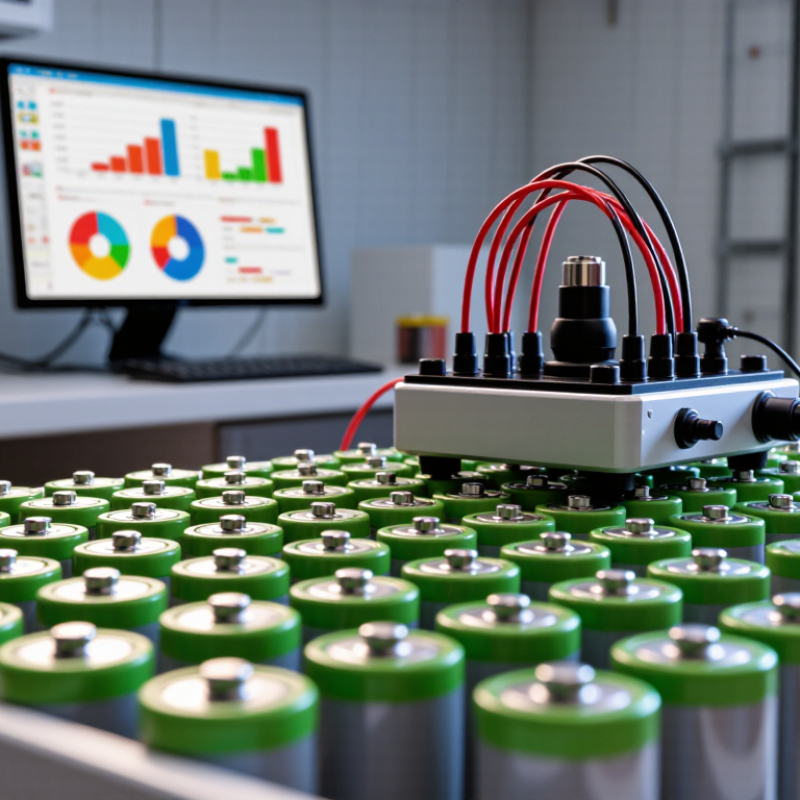
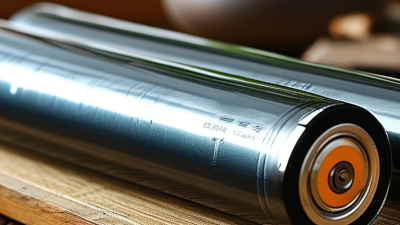
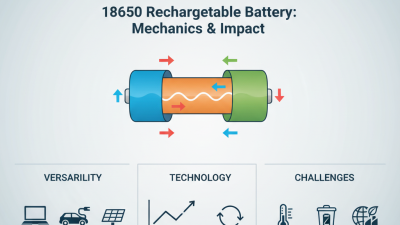
An 18650 cell is a rechargeable cylindrical lithium-ion battery, named for its approximate dimensions: 18 millimeters wide and 65 millimeters long. A metal can encloses rolled layers of positive and negative electrodes, a separator, and electrolyte. The separator keeps the electrodes apart while allowing ions to move during charging and use. Small, but not simple.
Chemistry shapes a cell’s voltage, energy capacity, power delivery, and heat behavior. Common formulations include lithium nickel manganese cobalt oxide and lithium iron phosphate, though availability and performance vary by design. A higher capacity rating does not automatically mean a better cell. Devices needing strong bursts of power may require a different balance than equipment designed for longer runtime. Check the manufacturer’s rated limits and temperature guidance.
These cells appear in laptop battery packs, flashlights, power tools, and some electric mobility equipment. In a pack, cells are connected to meet voltage and capacity needs, while control circuitry monitors charging and temperature. A neat specification sheet can still leave questions about real-world performance; operating conditions and aging matter. That detail is easy to overlook. A cell suitable for a cool, low-demand device may not suit a warm enclosure or frequent high-current use. Proper matching and pack design are essential.
Top 18650 Battery Manufacturers for Global Buyers
How 18650 Battery Manufacturers Differ in Products and Capabilities
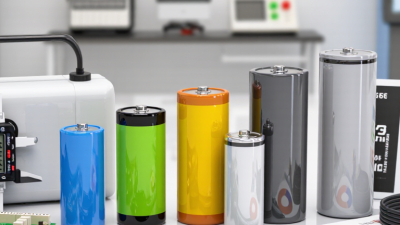
An 18650 cell measures about 18 mm by 65 mm, but that familiar shape does not guarantee equal performance. Manufacturers differ in chemistry, usable capacity, discharge rate, cycle life, and safety controls. Some cells prioritize energy for longer runtime; others support higher current for power tools or industrial equipment. Compare capacity under the same test conditions, including temperature and discharge rate. Otherwise, the numbers can mislead.
Production capability matters just as much. Electrode coating consistency, winding alignment, electrolyte filling, and formation testing all affect cell reliability. Ask suppliers for traceable test data, batch variation, and clear operating limits—not only a headline capacity. The International Energy Agency’s Global EV Outlook 2024 reports that EV battery demand exceeded 750 GWh in 2023, about 40% higher than in 2022. That figure covers EV batteries broadly, not 18650 cells specifically, but it illustrates the pressure on battery quality and supply chains. A polished datasheet is useful, yet it cannot replace verification. Even experienced buyers can miss small differences in test methods.
The table compares common supplier capability profiles rather than naming or ranking specific companies. Figures are indicative ranges for commercially available 18650 cells; actual specifications depend on the cell model, test conditions, and manufacturer datasheet.
| Supplier Capability Profile | Typical Product Focus | Typical Capacity | Nominal Voltage | Discharge Capability | Common Chemistry | Potential Buyer Applications | Key Checks for Buyers |
|---|---|---|---|---|---|---|---|
| Energy-focused cell supplier | Higher-capacity cells designed to store more energy per cell, generally with discharge limits suited to moderate loads. | About 2,800–3,500 mAh | Typically 3.6–3.7 V | Model-specific; commonly lower than high-power cells. Check the continuous discharge rating rather than relying on a peak-current claim. | Commonly NMC or NCA; chemistry varies by model. | Portable equipment, lighting, and battery packs where runtime is a priority. | Confirm capacity at the stated test current and temperature, cell dimensions, protection requirements, and discharge cutoff voltage. |
| High-power cell supplier | Cells engineered for higher current delivery, often trading some capacity for power and thermal performance. | About 1,500–3,000 mAh | Typically 3.6–3.7 V | Some models are rated for continuous discharge in the 10–30 A range; ratings are model-specific and require datasheet verification. | Commonly power-oriented NMC or NCA formulations. | Power tools, high-load devices, and packs requiring short bursts or sustained higher current. | Review continuous and pulse-current ratings, temperature limits, voltage sag, thermal design guidance, and independent test results. |
| Balanced energy-and-power supplier | Mid-capacity cells intended to balance usable runtime, discharge capability, and service life. | About 2,000–3,000 mAh | Typically 3.6–3.7 V | Varies widely by model; compare rated continuous current under identical conditions. | Commonly NMC; other lithium-ion chemistries may be offered. | General-purpose packs, mobility products, and equipment with mixed load profiles. | Check cycle-life test conditions, operating temperature range, production consistency, and traceability by lot. |
| Application-specific cell supplier | Cells selected or developed around a defined use case, such as low-temperature operation or a particular discharge profile. | Model-dependent; often within the broader commercial range of about 1,500–3,500 mAh | Typically 3.6–3.7 V for conventional lithium-ion 18650 cells | Specified for the target application; confirm performance across the required temperature and load range. | Usually lithium-ion variants such as NMC or NCA; confirm the exact chemistry for each model. | Specialized industrial, instrumentation, or environmental operating conditions. | Request application-specific test reports, operating limits, change-control terms, and sample-validation support. |
| Pack-oriented supplier with cell sourcing | May combine sourced 18650 cells with pack design, battery management systems, wiring, connectors, and enclosure integration. | Depends on the selected cell and pack configuration | Cell voltage is typically 3.6–3.7 V; pack voltage depends on the series arrangement. | Pack-level current depends on cell selection, series/parallel configuration, interconnects, and thermal design. | Depends on the sourced cell; require chemistry disclosure and model-level documentation. | Custom battery packs and products needing integrated electrical or mechanical design. | Verify cell provenance, pack safety testing, BMS protections, UN 38.3 transport test documentation, and applicable market compliance. |
A standard 18650 cylindrical cell is approximately 18 mm in diameter and 65 mm in length. Capacity, current, cycle life, and safety performance are model-specific—not guaranteed by cell size or supplier category. Buyers should validate the exact datasheet, samples, certifications, and shipping documentation before placing a production order.
Profiles of leading 18650 manufacturers show distinct strengths across regions. Chinese producers often serve large orders and offer varied cell configurations. The International Energy Agency reported that China held about 75% of global lithium-ion cell manufacturing capacity in 2021. Scale matters, but it does not guarantee consistent batches.
Japanese manufacturers are often associated with tight process control and detailed traceability. South Korean producers bring experience in high-volume cell production and energy-dense designs. Capacity is also expanding in Europe and North America, though local supply options can vary. A factory tour can look impressive. It proves little about the next shipment. Buyers should compare current test data, not just brochures, and confirm that samples match production cells.
Tips: Request capacity, cycle-life, and safety-test results for the exact 18650 model under review. Check lot-to-lot variation and ask how defects are handled. Small details matter: terminal shape, labeling, and packaging can affect assembly. Specifications deserve a second look.
For global buyers, compare 18650 suppliers by documented quality controls, not polished claims. Ask how incoming cell materials are checked and how each production batch is traced. A clear lot code should connect cells to inspection records, test results, and shipment dates. Details matter. Also check whether quality procedures cover the exact cell model you plan to purchase.
Certifications need context. ISO 9001 describes a quality management system; it does not certify every cell’s performance. IEC 62133-2 testing and UN 38.3 transport test records may be relevant, depending on the product and destination. Request current documents, then confirm the model numbers, issuing body, and test scope match your order. Paperwork can look cleaner than factory reality. That is why independent audits and sample testing can add useful evidence.
Production capacity deserves the same scrutiny. Ask for actual monthly output, typical utilization, defect rates, and lead times—not just maximum nameplate capacity. A supplier running several lines may still face delays during equipment maintenance or material shortages. Request recent production data and clarify how much capacity is reserved for your forecast. These figures can be difficult to compare directly, so document the assumptions behind each quote.
Typical rated capacity ranges for commercially available 18650 cells, shown in amp-hours (Ah).
These indicative ranges vary by cell design and datasheet conditions; they are not measures of manufacturer production capacity or certification status. Buyers should verify rated capacity, test conditions, and applicable certifications against each supplier’s documentation.
Global buyers should compare 18650 suppliers using verified cell-level data, not headline capacity alone. Request datasheets showing nominal capacity, voltage limits, continuous discharge rating, and internal resistance. Then compare independent test results with the supplier’s figures. Ask for evidence. A useful sample check records cell weight, dimensions, voltage, and resistance across multiple units. Test discharge performance at the temperatures and loads your product will actually encounter. One sample cannot represent every production batch; this is easy to overlook.
Traceability matters. Ask whether each shipment can be linked to a production date, batch code, and quality-control record. Review documented controls for electrode coating, cell assembly, formation, and final inspection. BloombergNEF reported that average lithium-ion battery pack prices fell 14% in 2023, to US$139 per kilowatt-hour. That figure describes packs, not individual 18650 cells, but it shows why buyers should distinguish market pricing from cell-level value. Compare quotations on the same basis, including test conditions, packaging, and delivery terms. Request relevant safety test reports and verify that they match the exact cell model offered. A polished audit file helps, but it does not replace consistent incoming inspection. Even experienced teams can miss variation between batches. Keep acceptance criteria written and review them when specifications change.
An exceptional record of quality and service for 35+ years.
© 2026 Excell Battery Co. All rights reserved.Privacy Statement