7 Best 3.7 Volt Rechargeable Battery Suppliers?
Choosing the right 3.7 volt rechargeable battery supplier requires more than comparing prices or browsing product photographs. A dependable supplier should demonstrate consistent cell performance, transparent specifications, stable production capacity, and practical quality controls. This guide examines seven notable suppliers through those essential criteria, helping buyers compare options for portable electronics, medical equipment, robotics, backup systems, and other battery-powered products.
Safety comes first.
Important details include nominal voltage, usable capacity, cycle life, discharge rate, charging limits, operating temperature, and protection features. Reliable suppliers should provide test reports, traceable batch information, clear datasheets, and evidence of recognized manufacturing standards. Certifications matter, but they should support real quality rather than replace it. A polished certificate cannot compensate for weak communication or inconsistent samples.
Supplier experience also deserves close attention. Can the company support custom dimensions, connector choices, battery management systems, or small pilot orders? How does it respond when a sample performs below expectations? These questions often reveal more than a sales presentation. In practice, lead times may change, capacity claims may vary, and shipping requirements can complicate otherwise simple purchases. No supplier is perfect. That is worth remembering.
The seven suppliers discussed here are assessed for product reliability, technical expertise, customization ability, customer support, manufacturing transparency, and long-term value. The goal is not to declare one universal winner. Instead, this comparison offers a careful starting point for selecting a supplier that matches your application, budget, safety requirements, and expected production volume.
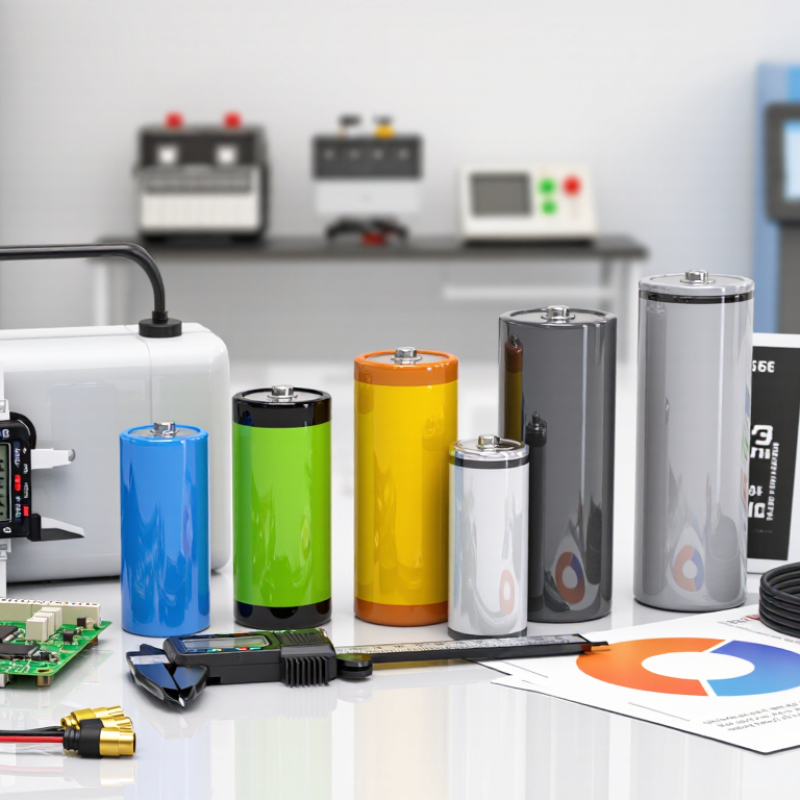
What Are 3.7 Volt Rechargeable Batteries?
What Are 3.7 Volt Rechargeable Batteries?
A 3.7 volt rechargeable battery usually uses lithium-ion chemistry. The 3.7V figure is nominal, not constant. A fully charged cell often reaches 4.2V. During use, its voltage gradually falls. This matters when matching a battery with electronic equipment. Capacity is measured in milliampere-hours, or mAh. A higher mAh rating can provide longer runtime. However, it may also increase weight, size, and charging time.
Common formats include cylindrical cells, pouch cells, and protected packs. Each format needs suitable electrical and physical connections. A reliable supplier should clearly state chemistry, capacity, cycle data, dimensions, and protection features. I have found that vague labels deserve extra questions. Some ratings are optimistic, and advertised performance may change under real conditions. Temperature, discharge speed, and storage habits can affect results.
Tips: Check the device’s voltage range before ordering. Use a charger designed for the battery’s chemistry. Look for overcharge, over-discharge, and short-circuit protection. Do not judge quality from capacity alone. Compare test information, safety documents, and storage guidance. Inspect the battery after delivery. Swelling, leakage, damaged wrapping, or unusual heat requires caution. Cold conditions can reduce capacity, while excessive heat accelerates aging. Choosing a supplier still requires careful judgment.
How to Evaluate Battery Suppliers and Product Quality
Choosing among the 7 best 3.7 volt rechargeable battery suppliers requires more than comparing prices. I examine capacity, cycle life, discharge limits, and production consistency. A reliable supplier provides test reports linked to specific batch numbers. Generic documents are not enough.
I usually request samples from different production dates. Then I measure actual capacity under the stated charging and discharge conditions. A battery marked 2,000 mAh may perform differently at low temperatures or high loads. I also check internal resistance, swelling, terminal quality, and charging behavior. Small changes matter.
Traceability matters too. Ask whether the supplier can explain the cell origin, inspection process, storage conditions, and quality controls. Clear answers show stronger technical experience. Safety certifications should be current, relevant, and independently verifiable. Do not accept edited screenshots as proof.
My early mistake was trusting a polished datasheet too quickly. The sample worked well, but later units showed wider capacity variation. That experience changed my evaluation process. I now compare at least three samples and record every test condition. Suppliers should also explain their replacement policy and response time when results fail. Honest communication is valuable, even when the answer is inconvenient. A perfect supplier may not exist. Careful evidence still reduces avoidable risk.
Seven Leading 3.7 Volt Rechargeable Battery Suppliers
Seven Leading 3.7 Volt Rechargeable Battery Suppliers
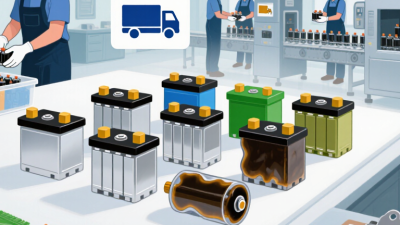
The seven leading 3.7 volt rechargeable battery suppliers serve different application needs. High-volume cylindrical-cell suppliers support flashlights, sensors, and handheld tools. Pouch-cell specialists reduce weight in compact electronics. Prismatic-cell suppliers offer stronger mechanical stability for larger portable equipment. Custom battery-pack manufacturers add connectors, housing, and protection circuits. Medical-grade suppliers focus on documentation and controlled production. Low-temperature specialists improve discharge performance in outdoor devices. Small-batch engineering suppliers help teams test unusual sizes before mass production.
Performance data should guide the shortlist. BloombergNEF reported that average lithium-ion battery pack prices fell to 115 dollars per kilowatt-hour in 2024, a 20% annual decline. That figure reflects market scale, not automatic quality. The IEA reported global battery demand for electric vehicles and storage exceeded 750 gigawatt-hours in 2023. Larger demand increases manufacturing capacity, but it may also expose weaker traceability. Ask for it.
A reliable supplier should provide cell-level test records, batch codes, capacity tolerance, cycle-life results, and safety documentation. IEC 61960 testing can support comparable capacity claims, while transport paperwork should match the actual chemistry and configuration. In practical inspections, check weld consistency, insulation edges, connector strain, and swelling after repeated cycles. My shortlist is not perfect. A low quoted price can hide slower sampling, limited customization, or unclear failure handling. Suppliers with transparent audits and responsive engineering support usually deserve more attention than suppliers offering impressive numbers alone.
Comparing Supplier Pricing, Customization, and Certifications
Choosing among the seven best 3.7 volt rechargeable battery suppliers requires more than comparing unit prices. A low quote may exclude protection circuits, connectors, testing, or export packaging. Ask for tiered pricing at sample, 1,000-unit, and larger volumes. Check whether tooling fees and replacement policies are included. Suppliers with stable production records often provide clearer cost forecasts, even when their first quotation is not the cheapest.
Customization should match the device, not just the product photo. Confirm cell dimensions, capacity tolerance, discharge rate, connector type, wire length, and protection settings. Request a sample with the exact battery management design. Ask how the supplier controls swelling, heat, and cycle-life variation. I once treated a capacity label as sufficient evidence; it was not. Independent test data would have prevented that assumption. Small details matter.
Reliable suppliers can provide current documentation for IEC 62133, UN 38.3 transport testing, SDS files, and relevant quality-management systems. Certification names alone are weak evidence. Check the certificate holder, test model, issue date, and whether the report matches the proposed cell. Batch inspection records, traceability codes, and incoming-material controls also reveal manufacturing discipline. Some suppliers communicate well before payment, then respond slowly after an order. That warning deserves attention. Pricing, customization, and certification quality should be reviewed together, because a saving at purchase can become a costly quality problem later.
7 Best 3.7 Volt Rechargeable Battery Suppliers
Comparison of indicative bulk pricing, customization capability, and certification coverage
The chart uses anonymized supplier profiles and indicative market benchmarks for standard 3.7V rechargeable lithium-ion cells at approximately 1,000-unit order quantities. Prices are shown in USD per cell, customization is scored from 1 to 10 based on available cell formats, capacity options, labeling, packaging, and protection-board integration, while certification coverage counts commonly requested compliance documents such as UN 38.3, IEC 62133, CE, RoHS, and UL-related documentation. Final quotations and certification scope depend on specifications, order volume, and destination market.
How to Choose the Right Battery Supplier for Your Needs
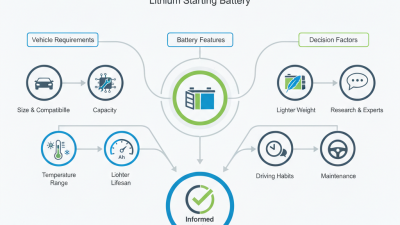
How to Choose the Right 3.7 Volt Rechargeable Battery Supplier
A 3.7 volt rechargeable battery usually refers to a lithium-ion cell with a 4.2 volt full-charge level. Start by defining capacity, discharge current, size, operating temperature, and cycle-life expectations.
According to the International Energy Agency’s Global EV Outlook 2024, global battery demand exceeded 750 GWh in 2023. This rapid growth increases supply options, but also raises quality-control risks.
A suitable supplier should provide consistent cells, clear chemistry information, and traceable production batches.
Request independent test reports and verify compliance with IEC 62133-2, UN 38.3, and applicable transport requirements. Ask for capacity data at your actual discharge rate, not only attractive laboratory figures.
Sample testing should include voltage consistency, internal resistance, temperature rise, and self-discharge after storage.
Short sentences matter here.
Test real samples.
Do not trust photographs.
Price deserves careful judgment. BloombergNEF reported that average lithium-ion battery pack prices fell to 115 dollars per kWh in 2024. However, lower market prices do not guarantee better value for small cells.
Compare warranty terms, minimum order quantities, lead times, defect handling, and technical support.
A supplier should explain how it controls incoming materials and finished-cell inspection.
I would also review several production lots, because one successful sample can create false confidence.
That is an easy mistake. Supplier selection is less about promises and more about repeatable evidence.