7 Best 24V Lithium Batteries for Global Buyers?

Choosing a 24v lithium battery is not just a matter of matching voltage. Buyers must also weigh usable capacity, continuous discharge, cycle life, protection systems, charging compatibility, and the conditions in which the battery will operate. A compact battery may fit neatly beneath a seat or inside a control cabinet, yet still fall short when a motor draws a sharp surge of current. Small details matter.

The International Energy Agency reported that demand for electric-vehicle batteries exceeded 750 GWh in 2023, rising about 40% from 2022. That figure reflects a fast-growing battery sector, not a guarantee that every product labeled “lithium” offers the same performance. Cell chemistry, battery management, testing, and clear documentation all shape real-world value. Battery scientist Dr. Shirley Meng’s research offers a useful reminder, paraphrased here: “A battery’s performance depends on more than its cells alone.” This is not a product endorsement.

This guide compares seven 24V options for global buyers, focusing on practical specifications and the questions worth asking suppliers. We look at capacity claims, safety features, warranty terms, and suitability for applications such as solar storage, marine equipment, and mobility systems. Not every model will suit every installation. That is easy to overlook when a low price or impressive capacity dominates the listing. Buyers should verify local charging requirements and seek current product documents before ordering. Numbers help. Real operating conditions still decide.
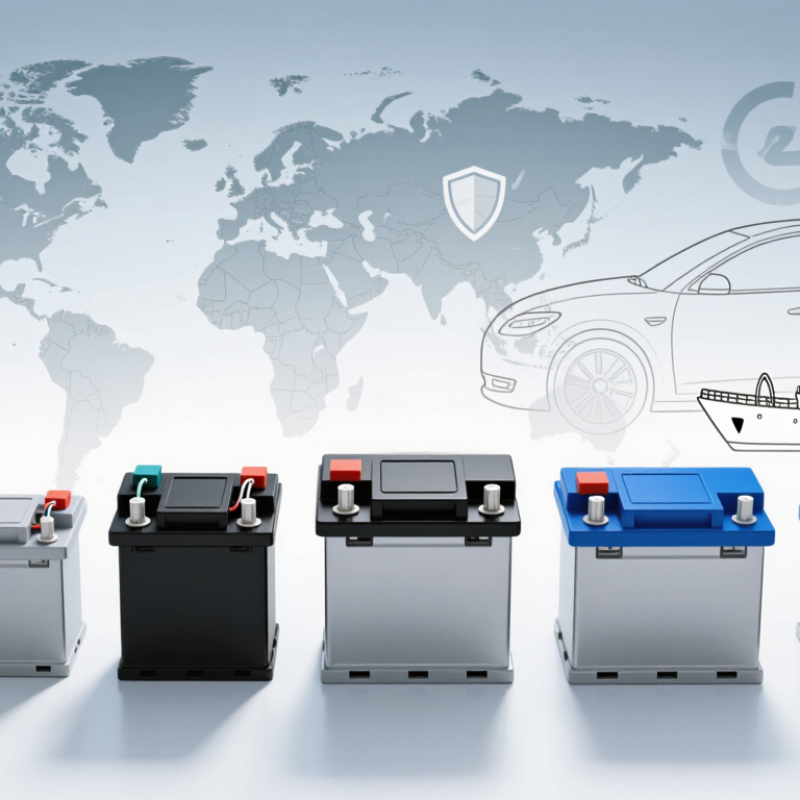
7 Best 24V Lithium Batteries for Global Buyers?

Understanding 24V Lithium Batteries and Their Core Components

A 24V lithium battery is not a single cell with a larger voltage. It is a group of smaller cells connected in series, held together as a pack. In many LiFePO4 designs, eight cells produce about 25.6V nominally. Other lithium chemistries use different cell counts and voltage ranges. The number on the case is only a starting point.

The cells store energy, while a battery management system monitors their voltage and temperature. It can help prevent overcharging, excessive discharge, and unsafe current levels. The pack also needs electrical connections, insulation, and a protective enclosure. Small details matter. A loose connector or poor heat management can affect performance, even when the cells themselves are well made. The BMS is not a substitute for a suitable charger.

For buyers, check the battery’s operating voltage range, capacity in amp-hours, continuous current rating, and dimensions. Match these details to the equipment, not just its “24V” label. It is an easy shortcut to trust that number alone, but it can lead to compatibility problems. Ask how the pack handles heat and what protection the BMS provides. Specifications can still leave questions unanswered; that deserves a closer look.


Key Specifications That Define Battery Performance

A 24V label does not tell the whole story. Check the battery’s nominal voltage and chemistry: many LiFePO4 models are rated at 25.6V, while other lithium chemistries differ. Capacity, measured in amp-hours, matters too, but watt-hours make comparisons clearer. A 25Ah battery at 25.6V stores about 640Wh. That figure helps estimate runtime, though real loads and temperature can reduce it. Numbers need context.

Look beyond capacity. Continuous discharge current must suit the equipment, especially when a motor draws extra power during startup. The battery management system should specify protections for overcurrent, low voltage, and temperature. Check the stated cycle life and the conditions used for testing; a cycle-life figure without depth of discharge is incomplete. I still find that detail easy to miss. Also compare charging limits, operating temperature, dimensions, and weight with the actual installation space. A battery may fit on paper, then clash with a cable bend or mounting bracket. Clear specifications make the choice more dependable, but no single rating predicts performance in every setup.

How Global Buyers Can Compare Safety and Certification

When comparing 24V lithium batteries, treat safety documents as part of the product, not an afterthought. Ask for certificates and test reports that identify the exact battery model, voltage, and configuration. A document covering individual cells may not prove that the finished battery pack was assessed. Check the issuing laboratory, report date, and intended market. Requirements differ between regions and applications.

Look for evidence addressing electrical, thermal, and transport safety. Depending on the battery type and use, relevant documentation may include IEC 62619 testing or a UN 38.3 test summary. These serve different purposes. A shipping test does not, by itself, establish safe operation in equipment. Examine the battery management system’s stated protections, such as overcharge, overcurrent, and temperature limits. Confirm that the permitted charging range matches your charger. Small mismatch, big concern.

Physical details matter too. Inspect terminal covers, cable size, enclosure condition, and clear polarity labels. Ask how the supplier handles traceability and warranty claims, then compare answers in writing. I would not rely on a certificate image alone; it can be difficult to verify without the model number and issuing body. Even a neat document can leave questions. A qualified local importer or electrical professional can help interpret requirements for a specific installation.

Seven 24V Lithium Batteries Compared by Use and Value

A useful 24V battery comparison starts with the load, not the advertised capacity. A 20Ah pack suits light portable equipment and short outings; a 50Ah option gives small pumps or tools more breathing room. For daily off-grid use, 100Ah often balances runtime, weight, and cost. Check the usable watt-hours, not just the amp-hour figure. A 25.6V lithium iron phosphate battery stores about 2,560Wh at 100Ah, though actual usable energy depends on the battery’s limits.

Seven common choices serve different buyers: compact 20Ah, midrange 50Ah, standard 100Ah, high-capacity 150Ah, slim-format, cold-weather heated, and higher-discharge packs. The 150Ah size can support longer loads, but its weight and price may not suit a small boat or cabinet. Slim packs fit narrow spaces. Heated models can help where charging temperatures are low, but confirm the maker’s specified limits. Higher-discharge units matter for motors with sharp startup demand. Details matter.

Value depends on more than the purchase price. Compare the battery management system, continuous discharge rating, warranty terms, case dimensions, and charger compatibility. A 24V lead-acid replacement may need different charging settings. That catches people out. I would also leave some capacity in reserve; real loads rarely behave exactly like a neat product test. It is easy to overvalue a big number on a label and overlook a connector that does not fit.

7 Best 24V Lithium Batteries for Global Buyers? — Seven 24V Lithium Batteries Compared by Use and Value

Brand-neutral comparison of common 24V-class LiFePO₄ battery configurations. These are representative specifications, not guaranteed specifications for a particular product.
Configuration Typical capacity Nominal energy Typical continuous BMS current Typical use Value assessment What to check before buying
1. Compact 25.6V LiFePO₄ 25 Ah 640 Wh 25–50 A Small backup loads, portable equipment, and light-duty 24V systems. Low upfront cost and a compact capacity option; limited runtime for larger loads. Confirm the battery’s continuous and peak discharge limits suit the load.
2. General-purpose 25.6V LiFePO₄ 50 Ah 1,280 Wh 50–100 A Small off-grid setups, mobility equipment, and moderate backup applications. A practical balance of size, runtime, and cost for moderate daily use. Check case dimensions, terminal type, and required installation orientation.
3. Mid-capacity 25.6V LiFePO₄ 100 Ah 2,560 Wh 100 A RV and marine house loads, solar storage, and longer-duration backup. Often a useful capacity-per-battery compromise for common 24V systems. Verify inverter surge requirements and whether series or parallel expansion is allowed.
4. High-current 25.6V LiFePO₄ 100 Ah 2,560 Wh 150–200 A Systems with demanding inverters, motors, or other high-current loads. Can support higher power without increasing capacity, when its BMS is appropriately rated. Compare continuous current, short-duration peak current, and inverter surge demand separately.
5. Large-capacity 25.6V LiFePO₄ 200 Ah 5,120 Wh 150–200 A Longer off-grid runtimes, larger RV or marine systems, and substantial backup loads. More stored energy in one battery; assess weight, handling, and replacement logistics. Check total battery weight, available space, cable sizing, and recommended fusing.
6. Cold-climate 25.6V LiFePO₄ 50–100 Ah 1,280–2,560 Wh 50–100 A Outdoor or unheated installations where low-temperature charging may occur. Worth considering where temperature protection matters; heating features can add cost. Confirm the permitted charge-temperature range and whether low-temperature charge cutoff or self-heating is included.
7. Expandable 25.6V LiFePO₄ 100–200 Ah 2,560–5,120 Wh 100–200 A Systems expected to grow, such as modular solar storage or future backup upgrades. Expandable designs can spread investment over time when the manufacturer supports the intended configuration. Confirm approved parallel or series limits, matching requirements, and any communications compatibility.

Important: “24V” LiFePO₄ batteries commonly use an 8-cell series configuration with a nominal voltage of 25.6V. A typical full-charge setting is 29.2V, but the battery and charger manuals take priority. Cycle life, usable capacity, current limits, and cold-weather performance vary by design and operating conditions; compare manufacturer test conditions before purchase.

Choosing the Right Battery for Your Application and Region

A 24V lithium battery is not a universal drop-in choice. Check the equipment’s voltage range, peak current, and charging profile before comparing capacity. Many lithium iron phosphate packs use a nominal 25.6V, but a charger designed for lead-acid chemistry may not suit them. Small detail. Big consequences.

Application matters as much as chemistry. For a camper, measure the inverter’s startup surge and allow room for the battery and cables. For solar storage, compare usable kilowatt-hours, cycle-life conditions, and the battery management system’s continuous output. The International Energy Agency’s Global EV Outlook 2024 reports that lithium-ion battery demand reached about 750 GWh in 2023, up roughly 40% from 2022. That scale shows how quickly the technology is growing, but it does not make every pack suitable for every load.

Your region changes the checklist. In cold climates, confirm the permitted charging temperature; some packs need charging protection below freezing. In hot regions, check the manufacturer’s operating limits and leave ventilation around the enclosure. For international purchasing, request test documentation, including applicable IEC 62619 and UN 38.3 records, and verify local import and installation requirements. The details can be tedious. I would still check them twice: a compact 24V battery can look right on paper and disappoint when its BMS limits current or its charger is incompatible.

24V Lithium Battery Selection: Typical Nominal Voltage

A practical comparison of common lithium-ion configurations for global buyers.

An 8-cell LiFePO₄ pack is typically rated at 25.6V (8 × 3.2V nominal per cell); a 7-cell NMC pack is typically rated at 25.2V (7 × 3.6V). “24V” describes a battery class, not a universal charging voltage. Before buying, confirm the pack’s full charge voltage, BMS limits, charger compatibility, operating temperature range, and certifications required in your destination market.

An exceptional record of quality and service for 35+ years.