Best 24V LiFePO4 Battery for Solar Systems?
Choosing the best 24v lifepo4 battery for a solar system involves more than comparing capacity and price. A reliable battery must handle daily charging, overnight loads, temperature changes, and occasional cloudy weather. It should also work smoothly with the inverter, solar charge controller, wiring, and monitoring equipment.
Dr. John Goodenough, a leading battery scientist and Nobel Prize winner, described a battery as “a device that stores electrical energy.” That simple idea needs practical testing. In a home system, storage quality appears at 6 a.m., when panels produce nothing and the refrigerator still starts. A strong 24v lifepo4 battery can provide stable voltage, high usable capacity, and longer cycle life than many lead-acid alternatives. Its built-in battery management system also helps control overcharging, excessive discharge, temperature stress, and cell imbalance.
However, no battery is perfect. That matters. Real performance depends on discharge rate, installation temperature, charging limits, and maintenance habits. A battery rated at 200Ah may not deliver identical results in every system. The advertised capacity can look impressive, yet poor wiring or an unsuitable inverter may waste part of it. This guide will compare important specifications, practical installation details, safety features, warranty support, and long-term value. It will also examine where each model may disappoint. The best choice is not always the largest battery. It is the one that fits your solar profile, daily consumption, climate, and budget without creating hidden weaknesses.

24V LiFePO4 Battery Basics for Solar Energy Systems
A 24V LiFePO4 battery is a practical storage unit for many solar energy systems. It usually contains eight 3.2V nominal cells connected in series, creating about 25.6V nominal voltage. This chemistry offers stable output, low weight, and a long service life when properly managed. Compared with lead-acid batteries, it normally provides more usable energy and less voltage sag. Do not size by label alone.
A 24V, 100Ah battery stores roughly 2.56kWh before conversion losses. At 90% usable capacity, the available energy is closer to 2.3kWh. Match this figure with daily loads, inverter efficiency, and several cloudy days. The battery management system should protect against overcharge, over-discharge, excessive current, and unsafe temperatures. Charging below 0°C can damage the cells unless the system includes suitable low-temperature protection. Use a properly rated fuse near the battery, and select cables based on current and cable length.
For a small cabin, calculate both running power and startup demand from pumps or refrigerators. A battery may handle daily energy but fail during a sudden surge. Check the inverter’s voltage range and the solar controller’s charging profile before installation. Cycle-life figures also need careful reading, because testing conditions differ. I would prioritize verified test data, clear protection limits, and accessible technical support over impressive capacity claims. One detail is often missed: poor connections create heat, even when the battery itself is correctly sized. Oversizing can also waste money. Recheck the assumptions.
How to Choose the Best 24V Battery for Your Solar Setup
Best 24V LiFePO4 Battery for Solar Systems?
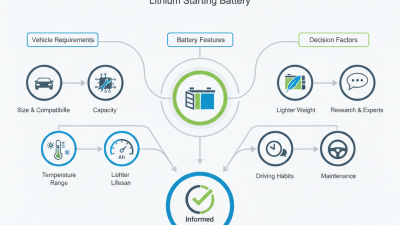
Choosing the best 24V battery starts with your solar system, not the battery label. Most 24V LiFePO4 batteries use eight cells and provide about 25.6V nominal voltage. Check your inverter’s operating range before buying. A battery that matches voltage may still fail under high startup loads. Compare continuous current, surge current, and the battery management system’s protection limits. For example, a 3,000W inverter may draw over 125 amps from a 24V bank, ignoring efficiency losses.
Capacity also needs practical calculation. A 200Ah battery stores roughly 5.12kWh, but usable energy depends on the recommended depth of discharge. IEA’s Renewables 2024 report shows solar power remains the fastest-growing renewable source, increasing demand for dependable storage. Lazard’s Levelized Cost of Storage 2024 analysis also highlights how cycling, duration, and system efficiency affect lifetime cost. These reports support a simple point: the cheapest battery is not always the lowest-cost choice.
Tips: Leave charging protection for cold weather. LiFePO4 cells should not charge below freezing unless the system includes reliable heating or control. Look for documented cycle testing, clear warranty terms, temperature ratings, and recognized safety testing. In field planning, I would also add a small energy margin for cloudy days and aging. My first estimate is often too optimistic. Roof shading, winter production, and inverter losses can quietly reduce daily energy. Check the full system data sheet, not only the advertised amp-hour number.
Installation and Compatibility Requirements
Best 24V LiFePO4 Battery for Solar Systems?
Installation and Compatibility Requirements
Choosing a 24V LiFePO4 battery is less about capacity and more about system compatibility. A typical pack provides 25.6V nominal voltage, so your inverter must accept its charging range. Check the inverter’s low-voltage cutoff and maximum charging voltage carefully. A lead-acid setting may overcharge lithium cells. That is risky. Avoid equalization charging unless the battery manufacturer specifically permits it.
The solar charge controller must support LiFePO4 charging profiles. Confirm that the panel array’s open-circuit voltage stays below the controller’s limit. Also calculate the expected charging current on bright days. Install a correctly sized fuse near the battery’s positive terminal. Use cables that match the current and distance. Thin cables can become warm during inverter startup. They may also cause voltage loss. Keep connections tight, clean, and protected from moisture.
Temperature control matters during installation. Many LiFePO4 batteries should not charge below freezing unless they include low-temperature protection or heating. Place the battery in a dry, ventilated enclosure away from direct sunlight. If connecting batteries in parallel, use matching models, similar ages, and equal cable lengths. Confirm that the internal battery management system supports the planned current. In real installations, small details are often missed, especially fuse placement and cable length. I would recheck both before energizing the system. A qualified technician should verify grounding, disconnects, and local electrical requirements.
Safety, Maintenance, and Expected Battery Lifespan
A 24V LiFePO4 battery is usually a 25.6V nominal system, built from eight cells. Its safety depends on the battery management system, wiring, fuses, and charging settings. The U.S. Department of Energy’s Energy Storage Handbook emphasizes overcharge protection, temperature monitoring, and fault isolation as essential controls. Never charge below freezing unless the system includes low-temperature protection. Cold charging can permanently damage the cells.
Maintenance is simple, but not optional. Keep terminals tight and dry. Check cable heating after heavy loads. A warm connector often signals poor crimping or undersized wiring. The National Renewable Energy Laboratory’s battery degradation research links service life to temperature, charge rate, and depth of discharge. Keeping daily use near 80% depth of discharge can reduce stress. Avoid leaving the battery fully charged for months. For seasonal storage, disconnect loads and follow the manufacturer’s storage voltage guidance.
Expected life varies widely. Many LiFePO4 systems are rated for 3,000 to 6,000 cycles, while the U.S. Department of Energy cites deeper cycling and heat as major causes of capacity loss. At one cycle daily, that could represent roughly eight to sixteen years. Real installations may perform worse. Inverter losses, poor ventilation, and inaccurate battery monitors matter. I would inspect capacity yearly, not trust the display alone. A battery still showing 100% may already have reduced usable energy. Good records reveal that difference.
Best 24V LiFePO4 Battery for Solar Systems: Safety, Maintenance, and Expected Lifespan
LiFePO4 batteries generally provide a longer service life when they are operated at a lower depth of discharge (DoD). The values below are representative industry benchmarks rather than a guarantee for every battery. At one full cycle per day, 2,000 cycles equal approximately 5.5 years, while 5,000 cycles equal approximately 13.7 years. Use a battery-management system, avoid charging or discharging outside the manufacturer’s temperature limits, and periodically inspect terminals, cables, enclosure ventilation, and state-of-charge readings.