12V Lithium Ion Battery Best Options for Global Buyers?
Global buyers need more than a low online price when choosing a 12v lithium ion battery. Capacity, chemistry, protection, and supplier support can change the real value. A compact 12.8V LiFePO4 pack may power a fish finder, backup light, or small solar system for hours. Yet its performance depends on load, temperature, charging equipment, and storage habits.
This guide compares practical battery options for international purchasing. It examines usable capacity, cycle life, weight, terminals, battery management systems, and charging compatibility. It also considers transport documentation, regional plug standards, warranty terms, and clear safety testing. Buyers should request datasheets, test reports, production dates, and traceable manufacturer information. Photos are useful, but internal construction matters more.
No single option fits everyone. A camper may value low weight, while a security installer may prioritize stable standby performance. Some listings use impressive claims that are difficult to verify. Careful questions help. I have also found that published capacity can feel optimistic under real loads, especially in cold weather. Treat marketing figures as starting points, not promises. The best choice balances chemistry, verified specifications, installation conditions, and dependable after-sales communication. Small details matter. This approach helps global buyers reduce replacement costs and select a safer, more suitable battery with confidence.
What Is a 12V Lithium-Ion Battery?
What Is a 12V Lithium-Ion Battery?
A 12V lithium-ion battery is a rechargeable power pack built from several lithium-based cells. Its “12V” rating describes nominal voltage, not its exact output. A common pack uses three cells connected in series. Each cell typically delivers about 3.6 or 3.7V, while the pack may reach approximately 12.6V when fully charged. The voltage gradually falls during use, rather than staying fixed.
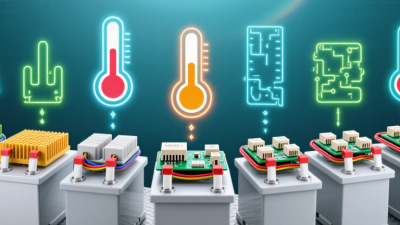
A battery management system, or BMS, monitors cell voltage, current, and temperature. It can disconnect the pack during overcharging, deep discharge, or excessive heat. This small circuit matters greatly. Without balanced cells, capacity can decline unevenly, and safety risks may increase.
Buyers should check amp-hour capacity, maximum discharge current, charger compatibility, and operating temperature. Watt-hours provide a clearer energy comparison: voltage multiplied by amp-hours.
The label can mislead. Some 12V batteries use lithium iron phosphate chemistry, with different voltage behavior and charging requirements. They should not automatically use the same charger as conventional lithium-ion packs.
A practical check is simple: read the data sheet, confirm the chemistry, and inspect the connector and protection ratings. I would not trust voltage alone. Real performance also depends on cable length, load surges, storage conditions, and battery age. Even a well-designed pack may perform poorly in freezing weather.
Key Specifications for Comparing 12V Battery Options
For global buyers, comparing 12V lithium-ion batteries requires more than checking the advertised capacity. Nominal voltage is usually close to 12.8V for lithium iron phosphate cells, but the working range matters more. Confirm the amp-hour rating, then calculate usable energy in watt-hours. A 100Ah battery may provide about 1,280Wh nominally. Real output can be lower.
Check continuous discharge current, peak current, and charging limits. These figures determine whether the battery can run a refrigerator, trolling motor, or inverter safely. The battery management system should protect against overcharge, deep discharge, overheating, and short circuits. Ask for cycle-life data with test conditions included. “Up to” figures can hide important details. I have seen similar batteries perform differently under cold temperatures and heavy loads.
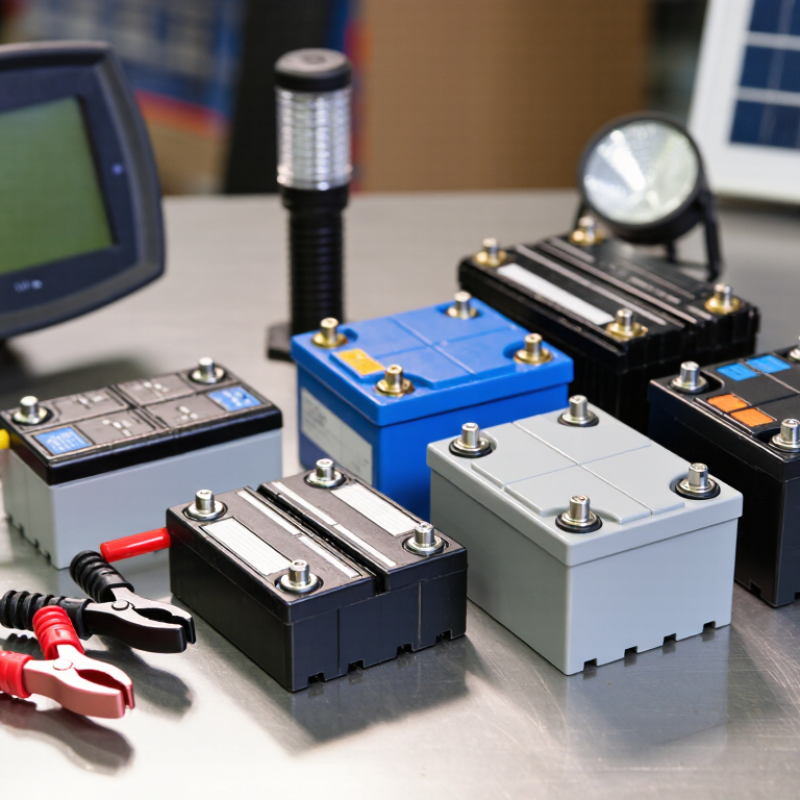
Physical specifications also affect installation. Compare dimensions, weight, terminal design, waterproofing, and operating temperature. A lighter battery is useful, but not if its enclosure feels fragile. Review charging requirements carefully, especially when replacing a lead-acid battery. Some systems need compatible charging profiles. Request safety test reports, warranty terms, and traceable production information from the seller. Verify local transport, recycling, and installation requirements before purchase. My comparison sheets sometimes miss cable length and mounting space, which caused avoidable rework. Small details matter.
12V Lithium-Ion Battery Best Options for Global Buyers
Key specifications for comparing common 12.8V lithium iron phosphate battery capacities. Usable energy is estimated at 80% depth of discharge.
A 12.8V battery provides approximately 256 Wh per 20 Ah of rated capacity. Actual usable energy depends on discharge limits, temperature, load, battery management settings, and system efficiency. Typical LiFePO4 specifications include a 14.2–14.6V charging range, approximately 2,000–5,000 cycles under moderate operating conditions, and a recommended continuous discharge rate commonly near 0.5C to 1C.
How to Choose the Best 12V Lithium Battery for Global Use
Choosing the best 12V lithium battery for global use starts with the application, not the advertised capacity. A battery labeled 12V may deliver 12.8V, depending on its chemistry and charge level. Check your equipment’s acceptable voltage range before buying. For a fish finder, camping lamp, or backup router, calculate daily watt-hours. Add reserve for cold mornings and battery aging. In field use, a strong battery management system handled sudden loads better than a larger, poorly protected unit. That difference matters when starting a pump or powering an inverter.
Tips: Check the continuous current rating, not only the peak rating. Confirm charger compatibility. Look for clear capacity testing data. Avoid vague specifications.
Global buyers should also examine temperature performance, enclosure protection, terminal design, and available technical support. A battery used in a humid coastal area needs better sealing than one used indoors. In cold regions, charging protection becomes especially important. Review safety documentation and transport requirements for your destination. A transparent warranty is useful, but response time matters more when equipment is overseas. I once focused too heavily on capacity and underestimated installation space. The battery fit poorly and required extra cables. That mistake was avoidable. Measure the compartment, cable route, and mounting points before ordering. Reliable sellers should provide test conditions, safety details, and realistic operating limits.