How to Choose the Best 12V Lithium Ion Battery?
Choosing the best 12v lithium ion battery starts with a practical question: what must it power, and for how long? A compact battery may run a fish finder, mobility device, alarm system, or camper light. Yet capacity, discharge rate, dimensions, and charging requirements can vary sharply between models. The label alone does not tell the whole story.
This guide examines the details that matter in real use. We will compare amp-hour capacity, usable energy, battery management systems, cycle life, charging temperature, terminals, and warranty support. A reliable 12v lithium ion battery should match the device’s voltage range and expected current draw. It should also include protection against overcharge, over-discharge, short circuits, and excessive temperature. Certifications and clear technical documentation add confidence, especially when the battery operates indoors or near valuable equipment.
Real measurements matter. A battery advertised at 100Ah may not deliver the same usable performance in every setup. Inverters, cold weather, wiring losses, and aging can reduce runtime. Small details count.
There is no universal “best” choice. A lightweight battery may cost more, while a cheaper model may provide weaker documentation or uncertain long-term support. I will point out these compromises rather than hide them. Some recommendations may depend on information manufacturers do not clearly publish, so careful verification remains necessary. By the end, you should evaluate specifications and ask better questions. Then, select a battery that fits your application safely and realistically.
Understanding 12V Lithium-Ion Battery Specifications
Choosing a 12V lithium-ion battery starts with its specifications, not its label.
The term “12V” is nominal. Actual voltage depends on chemistry and charge level. A lithium iron phosphate pack may provide about 12.8V nominal, while another lithium-ion design may use a different range. Check the equipment’s operating and charging voltage. A mismatch can damage electronics or reduce performance.
Voltage matters.
Capacity is measured in ampere-hours (Ah), while stored energy is better estimated in watt-hours (Wh).
Multiply nominal voltage by Ah for a practical estimate. A 12.8V, 50Ah battery provides about 640Wh before losses. Runtime still changes with temperature, load, wiring, and inverter efficiency.
Check continuous and peak discharge ratings. A motor may demand a brief surge.
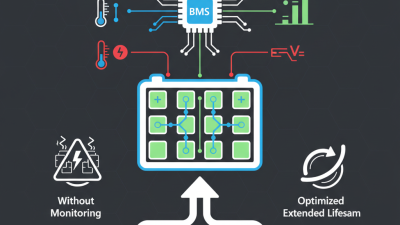
The battery management system should protect against overcharge, over-discharge, excess current, and overheating.
Do not judge quality by capacity alone.
Review charging current, charger compatibility, cycle-life conditions, operating temperature, enclosure rating, terminals, dimensions, and weight.
Safety documentation and traceable test reports provide stronger evidence than vague marketing claims. A published cycle figure can mislead without depth-of-discharge details. Two batteries rated for 2,000 cycles may perform differently in daily use.
I still recheck cold-weather performance, because many specifications assume mild conditions. In a cold compartment, that overlooked temperature line can decide whether the lights stay on.
Matching Battery Capacity to Your Power Requirements
How to Choose the Best 12V Lithium Ion Battery? Matching Battery Capacity to Your Power Requirements
Choosing capacity starts with your actual load, not the battery label. List each device, its wattage, and daily operating hours. Multiply watts by hours to estimate daily energy use. A 40-watt device running for five hours needs about 200 watt-hours. At 12 volts, that equals roughly 17 amp-hours. Add a practical reserve of 20% to 30% for startup demand, temperature changes, and conversion losses. I have seen systems fail because their calculated capacity ignored short, powerful surges. Small errors become inconvenient quickly.
Tips: Check continuous and peak current ratings. Compare usable capacity, not only the advertised amp-hours. A battery management system should provide protection against overcharge, overheating, and excessive discharge. Also confirm the charger matches the battery chemistry and voltage profile. Cable size matters, especially when the battery sits several meters from the load.
Think about how the battery will behave in real conditions. A refrigerator may cycle gently, while an inverter can draw heavily within seconds. Solar charging may be irregular on cloudy days. For sensitive equipment, measure actual consumption with a watt meter before purchasing. I once estimated usage from a device’s maximum rating and selected too large a battery; it worked, but added unnecessary weight and cost. That experience taught me to measure first, then size with modest headroom. Check the manufacturer’s technical documentation and follow local electrical safety requirements.
Comparing Lithium Battery Chemistry and Cell Configurations
How to Choose the Best 12V Lithium Ion Battery?
Comparing Lithium Battery Chemistry and Cell Configurations
Choosing a 12V lithium battery starts with chemistry, not marketing claims. Lithium iron phosphate, or LFP, uses 3.2V nominal cells. Four cells connected in series create a 12.8V pack. This configuration matches many lead-acid systems closely. It also provides strong thermal stability, long cycle life, and a safer operating profile. Nickel manganese cobalt, or NMC, uses cells near 3.6–3.7V nominally. Three cells in series produce about 10.8–11.1V, so additional design control may be required. NMC usually offers higher energy density, but it demands stricter monitoring and thermal management.
The International Energy Agency reported that LFP represented about 40% of the global electric-vehicle battery market in 2023. That figure shows growing industry confidence in its cost and durability advantages. However, vehicle data does not perfectly predict small 12V battery performance. A battery installer should check continuous current, peak current, low-temperature charging limits, and BMS protection settings. Capacity alone is incomplete.
For example, a 12.8V 100Ah LFP pack stores roughly 1.28kWh before losses. Four 3.2V, 100Ah cells create this result. Real usable energy may be lower, depending on cutoff settings and temperature. NMC can reduce pack size, yet its higher voltage per cell changes charger and protection requirements. I sometimes see “drop-in” claims treated too casually. Terminals may fit, while charging behavior does not. The imperfect part is installation judgment. Measure the load, inspect the charger, and leave a safety margin.
Evaluating Safety Features, Lifespan, and Charging Needs
Choosing a 12V lithium-ion battery requires more than checking capacity. Confirm the chemistry first. A three-cell lithium-ion pack reaches about 12.6V when full. A four-cell lithium iron phosphate pack reaches about 14.6V. Their chargers are not interchangeable.
Safety begins with the battery management system, or BMS. Look for overcharge, over-discharge, short-circuit, and temperature protection. A temperature sensor matters during charging in a cold garage or a hot vehicle. IEC 62133-2 provides a recognized safety framework for rechargeable cells and batteries. UN 38.3 testing also addresses transport safety. These certifications do not guarantee perfect quality, but missing documentation deserves caution.
Lifespan depends on heat, charging speed, depth of discharge, and storage voltage. The U.S. Department of Energy’s Battery500 program uses 1,000 cycles and 80% retained capacity as important development targets. Real-world results can be lower. That detail is easy to overlook. The International Energy Agency reported that global lithium-ion battery demand exceeded 750 GWh in 2023, yet fast market growth does not remove quality differences.
Tips: Match the charger to the battery chemistry and specified voltage. Choose a battery with a clear continuous-current rating, not only a peak rating. Store it partly charged in a dry, moderate-temperature place. I would also verify warranty terms and independent test reports. A polished label can still hide weak cells.
Selecting the Right 12V Lithium-Ion Battery for Your Application
Choosing the right 12V lithium-ion battery starts with the application, not the advertised capacity. A 12.8V, 100Ah LiFePO4 battery stores about 1.28kWh nominally. However, usable energy depends on discharge limits, temperature, and battery-management settings. For a trolling motor, check continuous and peak current. For solar storage, compare daily energy use and recharge time. According to the International Energy Agency’s Global EV Outlook 2024, lithium-ion battery demand reached about 750 GWh in 2023, rising nearly 40%. This growth improves technology, but specifications still vary widely.
Voltage behavior also matters. A battery designed for standby equipment may not support repeated high-current starts. Review the BMS protections, low-temperature charging limits, cycle-life test conditions, and enclosure rating. IEC 62619 and UN 38.3 references can support safer purchasing decisions. BloombergNEF’s 2024 Battery Price Survey reported an average lithium-ion pack price of 115 dollars per kWh, down 20% from 2023. Lower prices help, but they do not prove better construction. Some capacity claims remain optimistic. Check the test temperature and discharge rate.
Tips: Match the battery to the load profile. Leave roughly 20% capacity headroom for aging and cold conditions. Confirm charger compatibility before installation. Measure the real load for several days if possible. A slightly smaller battery may work better than a larger, poorly protected one. Carefully inspect terminals, cables, and the BMS warranty.
How to Choose the Best 12V Lithium-Ion Battery?
Selecting the Right 12V Lithium-Ion Battery for Your Application
This chart shows the usable energy available from a representative 12.8V, 100Ah lithium iron phosphate battery at different depth-of-discharge levels. The rated energy is calculated as 12.8V × 100Ah = 1,280Wh. Using a lower depth of discharge can help reduce battery stress and extend service life.
When selecting a 12V lithium-ion battery, compare nominal voltage, capacity, continuous discharge current, operating temperature range, battery-management-system protection, physical size, and the manufacturer's recommended depth of discharge. Actual performance may vary with temperature, load current, battery age, and BMS settings.