Top Battery Recycling Companies for Global Buyers

Battery recycling has become a practical sourcing issue for manufacturers, fleet operators, and technology businesses worldwide. Used batteries vary widely in chemistry, condition, and packaging, so a recycler’s capabilities matter as much as its name. A facility suited to one battery stream may not serve another well. Details matter.

For global buyers, a useful comparison looks beyond company size. Consider the materials accepted, collection options, processing capacity, and the clarity of reported recovery data. Ask how the provider handles damaged or mixed-format batteries, and whether it can support regular shipments across multiple regions. Service coverage, technical documentation, and communication quality can affect day-to-day operations. So can the distance between a collection point and a processing site. These factors are easy to overlook during an initial supplier review.

This guide introduces leading battery recycling companies and the capabilities buyers may want to examine. It is intended to support informed shortlisting, not to declare one provider universally best. Company services and regional availability can change, while buyer requirements differ by volume, battery chemistry, and supply-chain setup. No shortlist is perfect. Treat comparisons as a starting point, then verify current details directly with each provider. A careful review can help buyers identify realistic partners, ask sharper questions, and avoid choosing on reputation alone.
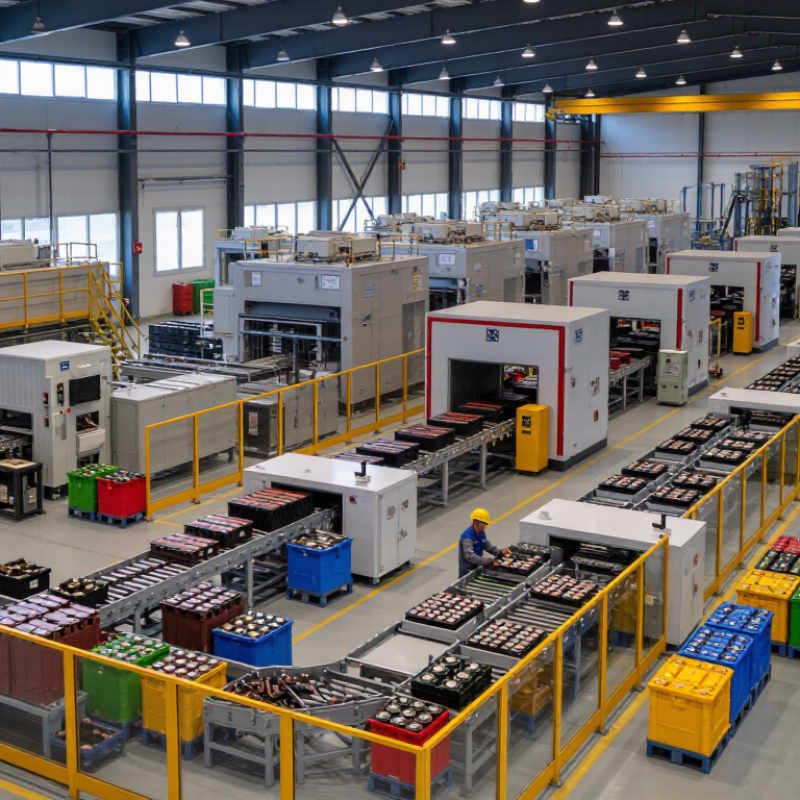
Top Battery Recycling Companies for Global Buyers

How Battery Recycling Companies Serve Global Markets

Global buyers evaluate battery recyclers by more than recovery rates. They need consistent feedstock grading, safe packaging, dependable transport, and clear records showing where recovered materials go. A shipment may contain mixed cell formats, damaged casings, or uncertain chemistry. Small details matter. A recycler’s ability to sort material accurately can affect both processing costs and the quality of recovered metals.

Regional capacity shapes the service. Buyers often compare local collection networks with centralized processing, considering transport distance, customs paperwork, and access to qualified downstream processors. The International Energy Agency’s Global Critical Minerals Outlook 2024 estimates that recycling could reduce the need for new mines for lithium, nickel, and cobalt by 10–30% by 2040, depending on deployment. That potential is meaningful, but it is not automatic. Recovery figures can vary with battery chemistry, collection rates, and process design. Buyers should request independently verifiable mass-balance data and review how a supplier handles rejected material.

Not always easy.

Public reporting still leaves gaps, so a polished percentage alone should not settle a purchasing decision.
Core Technologies Used to Recover Battery Materials

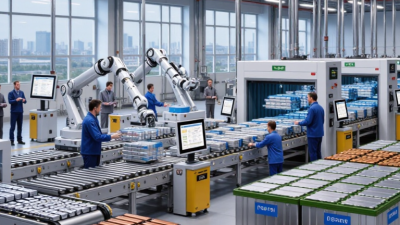
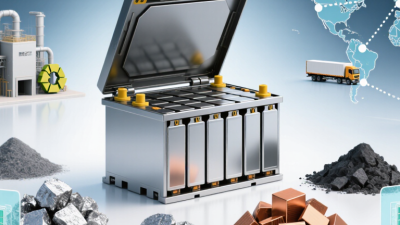
Recovering battery materials is not one process. For lithium-ion packs, facilities sort chemistries and prepare cells under controlled conditions. Mechanical separation can produce copper, aluminum, plastics, and black mass containing valuable materials. Careful pretreatment matters. Contamination can reduce recovery quality.

Hydrometallurgy uses chemical solutions to separate metals, often with relatively targeted recovery.

Pyrometallurgy uses high heat and can handle mixed feedstocks, but energy demand and recovery rates vary.

Direct recycling aims to preserve useful cathode material, though it needs accurate chemistry sorting and strict quality checks.

No route fits every battery stream. A polished process diagram does not guarantee consistent output; feedstock and operating conditions matter.

Tips: Ask suppliers for measured recovery rates, material-purity data, and details on how they handle different battery chemistries. Check whether figures refer to input weight or recovered material. Small reporting differences can change the comparison.

Leading Battery Recycling Companies by Region

Battery recycling leaders are not evenly spread across regions. China remains the largest processing hub, supported by dense battery manufacturing networks and established refining capacity. The International Energy Agency’s Global Critical Minerals Outlook 2024 estimates that announced recycling projects could give China about 70% of global capacity by 2030, compared with roughly 12% for Europe and 8% for the United States. These are planned-capacity shares, not proof that every facility is operating.

For global buyers, European recyclers offer proximity to battery factories and experience with varied collection systems. North American firms are expanding around vehicle and energy-storage supply chains, though project timelines can shift. In Japan and South Korea, established electronics and materials industries bring technical expertise, but feedstock availability differs by country. Scale matters. A nearby plant may reduce transport needs, yet still lack the capacity or chemistry-specific process a buyer requires.

The map is not tidy. IEA figures track announced capacity, while real output depends on plant commissioning, incoming battery volumes, and recovery yields. Buyers should compare those details, not just regional rankings. A useful supplier review asks for audited throughput data, recovery-rate definitions, and clear information about where recovered materials go. These checks can feel tedious. They also reveal gaps that headline capacity figures cannot.

Top Battery Recycling Companies for Global Buyers — Leading Battery Recycling Companies by Region

Region Common Battery Streams Recycling Routes Regulatory and Market Context Buyer Evaluation Focus
Europe Portable, automotive, industrial, and electric-vehicle batteries, including lithium-based, lead-acid, and nickel-cadmium chemistries. Collection and sorting, followed by mechanical processing and hydrometallurgical or pyrometallurgical recovery, depending on chemistry and facility. EU Regulation 2023/1542 sets recycling-efficiency targets for 2025, including 65% for lithium-based batteries. It also sets material-recovery targets, including 50% lithium recovery by 2027 and 80% by 2031. Check permitted waste codes, collection coverage, chemistry-specific acceptance criteria, and documented recovery rates.
North America Consumer batteries, electric-vehicle packs, manufacturing scrap, and lead-acid batteries from vehicles and industrial uses. Routes vary by battery type and facility; processes may include sorting, pack dismantling, mechanical separation, and metal recovery. In the United States, battery-management requirements vary by state and battery category. Federal hazardous-waste rules may apply; certain batteries may be managed under universal-waste provisions when eligibility requirements are met. Canadian requirements also vary by province or territory. Confirm applicable state or provincial requirements, transport arrangements, fire-safety procedures, and downstream processing destinations.
China Electric-vehicle traction batteries, production scrap, and other end-of-life rechargeable batteries. Collection, pack or module dismantling, and recovery of battery materials through mechanical and chemical processing routes. National measures for recycling and utilization of new-energy-vehicle power batteries took effect in 2018 and include traceability and producer-responsibility provisions. Verify traceability documentation, facility qualifications applicable to the material, and whether recovered products meet the buyer’s specifications.
Japan Portable rechargeable batteries, electric-vehicle batteries, and industrial battery streams. Collection and sorting are followed by chemistry-specific processing; usable batteries may be assessed for reuse before material recovery. Japan’s Act on the Promotion of Effective Utilization of Resources includes designated rechargeable-battery products and related collection or recycling responsibilities. Clarify whether the service covers the specific battery category, collection channel, and required domestic handling or export documentation.
South Korea Electric-vehicle batteries, portable rechargeable batteries, and manufacturing residues. Battery assessment, dismantling, and material recovery are selected according to chemistry, condition, and applicable handling rules. Requirements depend on battery category and applicable resource-circulation and producer-responsibility rules; confirm current obligations for the specific stream. Ask for evidence of compliant collection, safe storage, process controls, and clear reporting on recovered materials.
India Portable, automotive, industrial, and electric-vehicle batteries across multiple chemistries. Collection and channelization to registered entities, followed by recycling or other permitted processing appropriate to the battery type. The Battery Waste Management Rules, 2022 cover batteries of all chemistries and establish extended producer-responsibility obligations, including registration and recycling-related targets. Check applicable registrations, EPR documentation, battery-category coverage, and the chain of custody from collection through processing.

Regional requirements and accepted battery streams can vary by jurisdiction and facility. Buyers should confirm current permits, chemistry-specific acceptance criteria, and reporting requirements before contracting.

Services and Battery Types Offered to Commercial Buyers

Commercial battery recycling services can cover collection, chemistry identification, safe packaging guidance, transport coordination, processing, and material recovery. Some providers also arrange reuse assessments for batteries that retain usable capacity. Ask what each service includes; “recycling” can mean different things across facilities.

Battery streams may include lithium-ion packs from equipment or vehicles, lead-acid units from backup power systems, and nickel-metal hydride batteries from older devices. Lithium-ion chemistries such as LFP and NMC may need separate handling. Short answer: chemistry matters. Damaged or mixed loads require careful assessment before shipment, and buyers should confirm acceptance criteria in writing.

Request a clear chain-of-custody record, weight reports, and an explanation of how recovered materials are measured. For international shipments, confirm that the provider can support the required documentation and destination-specific rules. A certificate alone may not show actual recovery outcomes. One uncomfortable detail: quoted recovery rates can look precise before a representative load is tested. Packaging, contamination, and incomplete battery labels can also change costs. Keep sample records. Check the facility’s capabilities, insurance, and reporting process before committing to recurring volumes.

Battery Recycling Benchmarks for Commercial Buyers

EU minimum recycling-efficiency targets by battery chemistry, measured by weight. Commercial recyclers may handle these battery types and offer services such as collection, sorting, processing, and material recovery; actual capabilities vary by provider.

Targets are regulatory benchmarks under EU Battery Regulation (EU) 2023/1542, not performance data for individual companies.

How Global Buyers Evaluate Recyclers and Their Credentials

Global buyers should evaluate battery recyclers through verifiable operating evidence, not polished brochures. Ask for recent processing records, documented material flows, and recovery data separated by battery chemistry. A single recovery percentage can hide important details, such as how the figure was measured or which materials it includes. Ask for evidence. If the answer is vague, treat that as a reason to investigate further.

Credentials matter when their scope matches the work being offered. Review current certificates, inspection reports, and the sites and processes they actually cover. Check whether staff can explain how batteries are identified, stored, and tracked from arrival to processed output. A facility tour can reveal practical details: labeled containers, clear aisle markings, and records that match the material on the floor. Paper is not proof. Independent testing and traceable shipment records can help confirm a recycler’s claims, though no single document tells the whole story.

Buyers should also assess incident reporting, worker training, emergency procedures, and insurance coverage. Ask where recovered materials go next, and request supporting records where available. Compare responses using the same questions across suppliers. This takes time. It may still leave gaps, especially when reporting methods differ. A careful buyer should note those uncertainties rather than quietly treating estimates as facts.

An exceptional record of quality and service for 35+ years.