Choosing the 2026 best lithium battery recycling options requires more than comparing recovery rates. Battery chemistry, pack design, collection distance, and facility controls all influence the result. A method that works well for nickel-rich electric vehicle cells may not suit lithium iron phosphate batteries.
This guide examines practical routes, including hydrometallurgy, pyrometallurgy, direct recycling, and certified reuse programs. Hydrometallurgy can recover valuable metals with carefully managed chemical processes. Pyrometallurgy is established, but it may consume substantial energy. Direct recycling aims to preserve cathode materials, although commercial availability and consistent quality still vary.
Small details matter.
A responsible lithium battery recycling program begins before the battery reaches a processor. Trained staff should identify damaged packs, prevent short circuits, and use suitable containers. Clear chain-of-custody records can show where materials go. Independent certifications, transparent recovery data, and documented safety procedures also help separate credible operators from vague marketing claims.
“Best” is not universal. A regional collection network may outperform a distant high-tech plant when transport risks and emissions are considered. Reuse may extend a healthy battery’s service life, but testing must confirm capacity, insulation, and thermal stability. That answer remains incomplete without real operating data. Recycling technology is improving, yet cost, chemistry changes, and limited infrastructure create uncertainty. Readers should compare verified evidence, ask difficult questions, and choose options that protect workers, communities, and material value.
Lithium battery recycling will matter more as electric mobility and storage expand. The International Energy Agency’s Batteries and Secure Energy Transitions report estimates global battery demand could reach 4.5 terawatt-hours by 2030, from about 1 terawatt-hour in 2023. This growth will increase future recycling volumes, but collection systems must improve first. The chemistry matters.
The recycling scope includes consumer batteries, electric-vehicle packs, industrial storage units, and manufacturing scrap. Common types include lithium iron phosphate, nickel-manganese-cobalt, nickel-cobalt-aluminum, lithium cobalt oxide, and lithium manganese oxide batteries. Each has different metal content, fire risks, and recovery value. The IEA’s Global Critical Minerals Outlook 2024 projects lithium demand could rise ninefold between 2023 and 2040 under stated policies. Recovered materials may reduce pressure on new mining, although recycling cannot replace mining immediately.
Mechanical processing can separate casings, foils, and active powder. Hydrometallurgical treatment can recover lithium, nickel, cobalt, and manganese with high selectivity. Pyrometallurgical processing is robust, but it may lose lithium unless additional treatment follows. Direct recycling attempts to preserve cathode structure and could reduce energy use, yet commercial consistency remains difficult. That gap matters. A practical choice depends on chemistry, pack design, transport distance, and contamination. Reports from the U.S. Department of Energy note that safer disassembly and better battery labeling remain important industry needs. Data quality is still uneven, and recycling forecasts may prove too optimistic.
What Are the 2026 Best Lithium Battery Recycling Options?
Lithium batteries usually enter recycling through municipal drop-off sites, household hazardous-waste centers, and approved collection programs. Some stores also accept small rechargeable batteries. Collection rules differ, so check the facility before carrying a battery there. Never place loose lithium batteries in household trash or curbside recycling. A damaged pack can spark inside a collection truck.
At the collection point, workers inspect each battery for swelling, corrosion, leaks, or crushed casings. They isolate unsafe units in fire-resistant containers. Intact batteries are sorted by chemistry, size, and condition. This matters because lithium iron phosphate cells behave differently from nickel-rich cells. Larger packs may be separated from small consumer cells. Labels help, but they are sometimes missing or unreadable. The process is not perfectly uniform.
Tips: Cover exposed terminals with non-conductive tape. Place each small battery in a separate plastic bag. Keep batteries cool and dry during transport. Do not open, puncture, crush, or intentionally discharge a pack. If it feels hot, smells unusual, or shows swelling, move away and contact local emergency or waste authorities. Handle with care.
After sorting, trained facilities prepare batteries for mechanical or chemical recovery. They may remove casings, cables, and control electronics before controlled discharge. Industrial equipment then reduces cells into smaller material under carefully managed conditions. Recovered metals can support new manufacturing, although recovery rates vary by chemistry and facility. A recycler’s safety procedures, permits, and processing transparency matter more than a convenient drop-off label.
| Battery Stream | Recommended Collection Option | How It Is Identified and Sorted | Preparation Before Recycling | Likely Material Outputs | Key Safety Considerations |
|---|---|---|---|---|---|
| Small consumer lithium-ion batteries | Battery collection boxes at household hazardous-waste sites, electronics recycling centers, or approved retail take-back locations. | Separated from ordinary waste by battery type, size, shape, markings, and condition. Rechargeable lithium-ion cells are kept separate from single-use lithium primary batteries where required by the recycler. | Remove batteries from devices when designed for user removal. Cover exposed terminals with non-conductive tape or place each battery in a separate protective bag. | Aluminum, copper, steel, plastics, and black mass containing valuable metals such as lithium, nickel, cobalt, manganese, or iron, depending on chemistry. | Never place loose lithium batteries in household trash or curbside recycling. Prevent contact between terminals and metal objects. |
| Batteries built into phones, laptops, cameras, and tools | Electronics repair centers, designated e-waste programs, or collection points that accept complete devices. | Devices are inspected for battery access, visible damage, battery chemistry, and whether the battery is removable. Embedded packs are routed for controlled dismantling. | Do not puncture, crush, or pry out an embedded pack. Trained personnel remove the battery, isolate terminals, and separate the pack from the electronic equipment. | Recovered metals and plastics, plus reusable components when the device is suitable for repair or refurbishment. | A swollen, hot, leaking, or damaged device should not be shipped through ordinary mail or placed in a collection box without advance instructions. |
| Electric vehicle and hybrid battery packs | Vehicle service facilities, dismantlers, authorized high-voltage technicians, or specialized industrial battery recyclers. | Packs are classified by chemistry, voltage, design, state of health, physical condition, and whether modules can be reused. | High-voltage isolation, diagnostic testing, controlled discharge when appropriate, removal of external parts, and module-level dismantling by qualified personnel. | Reusable modules, aluminum and steel, copper, plastics, and processed electrode materials for metal recovery or refining. | These packs can retain dangerous electrical energy even when disconnected. Only trained personnel with high-voltage protective equipment should handle them. |
| Damaged, defective, swollen, leaking, or heat-affected batteries | Direct contact with a hazardous-materials-trained battery handler, fire department guidance, or a specialized dangerous-goods recycler. | A separate risk category based on swelling, deformation, odor, smoke, leakage, corrosion, heat, impact, or signs of thermal runaway. | Do not charge, disassemble, compress, puncture, or intentionally discharge the battery. The handler determines suitable isolation, packaging, transport, and treatment. | Material recovery may be possible after specialized stabilization and processing; reuse is generally considered only after professional inspection. | If smoke, flames, rapid heating, or a strong chemical odor is present, move people away and contact emergency services. Do not transport it yourself unless instructed. |
| Production scrap and manufacturing rejects | Contracted industrial recycling facilities with documented chain-of-custody, safety controls, and material specifications. | Sorted by electrode chemistry, form factor, moisture level, state of charge, and whether the material is cells, modules, electrodes, foils, or process residue. | Controlled storage, documented composition, safe state-of-charge management, removal of contaminants, and preparation for mechanical or hydrometallurgical processing. | High-value electrode materials, copper and aluminum foils, steel, plastics, and chemical intermediates for refining. | Material documentation and moisture control are important because reactive residues can create fire, corrosion, or processing hazards. |
| Reusable batteries and modules with remaining capacity | Battery diagnostic centers, repair programs, or qualified second-life assessment facilities before sending the battery to material recycling. | Tested for capacity, internal resistance, cycle history, insulation, physical integrity, and balancing performance. | Electrical testing, battery-management-system evaluation, cell balancing, and safe repackaging. Batteries that fail safety tests are diverted to recycling. | Extended service life first; later processing can recover metals and other battery materials. | Reuse is not automatically safer or more sustainable; only batteries that pass professional electrical and thermal safety checks should be redeployed. |
| Mixed loads from waste and recycling facilities | Specialized sorting facilities equipped for battery detection, isolation, and shipment to approved downstream processors. | Manual inspection, visual identification, magnetic separation for ferrous parts, sensor-based detection, and chemistry or form-factor sorting. | Remove batteries from the mixed stream, tape or bag loose units, isolate damaged items, and consolidate compatible batteries in compliant containers. | Sorted battery feedstock for mechanical separation, thermal treatment, hydrometallurgical recovery, or direct recycling processes. | Lithium batteries can ignite when crushed or compacted, so prevention at the collection and sorting stages is essential. |
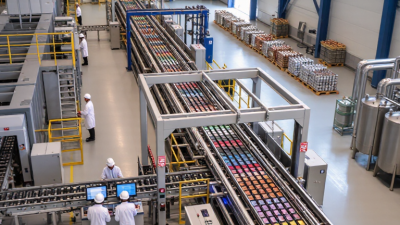
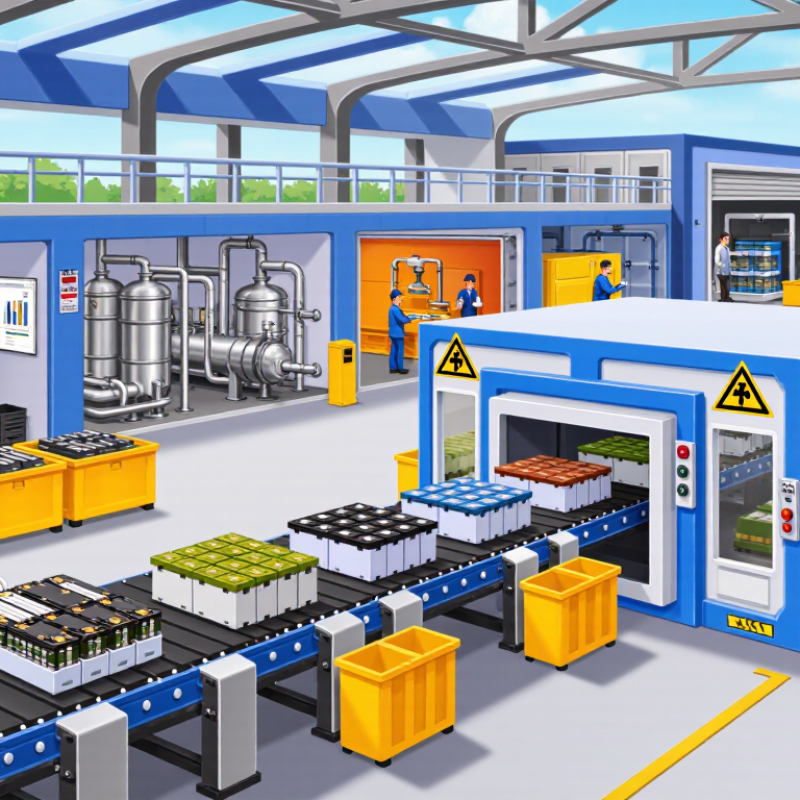
Lithium battery recycling in 2026 depends on chemistry, feedstock quality, and energy use. No single method wins everywhere. At a modern facility, spent cells are sorted, discharged, dismantled, and processed into valuable material streams.
Hydrometallurgy uses aqueous solutions to recover lithium, nickel, cobalt, and manganese. It can achieve high recovery rates, but it needs careful wastewater control.
Pyrometallurgy uses intense heat and handles mixed or contaminated batteries effectively. However, lithium may enter slag, while the process consumes substantial energy.
Direct recycling keeps cathode structures intact instead of breaking them into basic metals. This may reduce processing steps and preserve more manufacturing value.
The International Energy Agency’s Global Critical Minerals Outlook 2024 estimates recycling could reduce primary mineral supply needs by 10–30% by 2040, depending on material and technology. The U.S. Department of Energy’s National Blueprint for Lithium Batteries also identifies direct recycling as a strategic research priority.
Yet direct recycling remains sensitive to chemistry differences, aging, and contamination. It is not simple. A mixed stream can undermine its economic and technical advantages.
Hydrometallurgy often suits concentrated production scrap and well-characterized cells. Pyrometallurgy offers robustness when sorting is difficult. Direct recycling may perform best when cathode chemistry is consistent.
That gap matters. Real-world decisions should compare recovery yield, carbon intensity, water demand, worker safety, and transport distance, not only metal output. Industry reports often present laboratory results, while full-scale performance can be less predictable.
In 2026, the best recycling method depends on the battery chemistry, condition, and local processing capacity. Hydrometallurgical recycling often achieves high recovery rates for lithium, nickel, cobalt, and manganese. It usually operates at lower temperatures, which can reduce energy use and emissions. However, chemical handling requires strict controls, trained workers, and reliable wastewater treatment.
Pyrometallurgical recycling is robust and suitable for mixed battery streams, including damaged cells. It can improve safety during processing, but high temperatures consume considerable energy. Lithium recovery may also be limited unless additional treatment follows. Direct recycling aims to preserve valuable cathode materials, potentially lowering costs and emissions. Its performance remains sensitive to accurate sorting and consistent feedstock. No option wins every category. Recovery figures can look impressive in controlled trials, yet real facilities face contamination, transport risks, and fluctuating material prices.
Tips: Check whether a recycler publishes third-party recovery data, energy information, and incident records. Ask how damaged batteries are isolated before transport. Compare the full cost, including collection, packaging, testing, and disposal of residues. A low quoted price may hide weaker environmental controls. I would also question claims based only on laboratory results. Practical performance is messier, and transparent reporting matters more than a perfect headline number.
What Are the 2026 Best Lithium Battery Recycling Options?
Choosing responsible lithium battery recycling services in 2026 requires more than finding the nearest collection point. A professional service should explain how it accepts, transports, sorts, and processes batteries. Ask whether it handles lithium-ion, lithium iron phosphate, and damaged or swollen units. Do not place damaged batteries in household bins. In practice, clear handling instructions can prevent fires during storage and transport.
Look for documented chain-of-custody records. These should show where your batteries go and how materials are recovered. Reliable providers can explain their safety training, facility controls, and emergency procedures. They may also provide recycling certificates, weight records, and independent audit information. A polished website is not proof of responsible work. Request evidence.
Convenience matters, but safety matters more. Check whether the service uses approved containers, trained transport partners, and secure storage areas. For business collections, ask about pickup frequency, reporting, and data protection for batteries inside electronic devices. Local requirements may differ, so verify the provider’s current permits and operating scope. Avoid services that promise unusually high recovery rates without technical details. Transparency is sometimes less impressive than marketing. That is useful to remember. Personal experience also shows a weakness: even careful customers can misidentify battery types. A responsible provider should welcome questions, inspect uncertain items, and explain any extra handling costs before collection.
An exceptional record of quality and service for 35+ years.
© 2026 Excell Battery Co. All rights reserved.Privacy Statement