Which Telemecanique Sensors Are Best in 2026?

Choosing the best Telemecanique Sensors in 2026 depends less on a single “top” model than on the job each sensor must perform. A limit switch on a packaging line faces different demands from a proximity sensor near a moving metal part. Photoelectric, pressure, and other sensor types also suit distinct tasks. Small details matter.

This guide compares practical selection factors, including sensing range, target material, output type, mounting space, switching frequency, and exposure to dust or moisture. It also considers how easily a sensor can fit existing controls and maintenance routines. A compact housing may solve a clearance problem, while an unsuitable sensing distance can cause missed detections. There is no universal winner, and that makes simple rankings a little misleading.

For dependable choices, check the current product datasheet and regional availability before ordering. Specifications and model options can change, and the right fit depends on the installation—not just a product name. Where possible, confirm operating conditions with a qualified automation professional and test the sensor in its intended setup. This overview aims to make that comparison clearer, though it cannot replace application-specific testing. Even a careful shortlist can miss something. That is worth remembering.
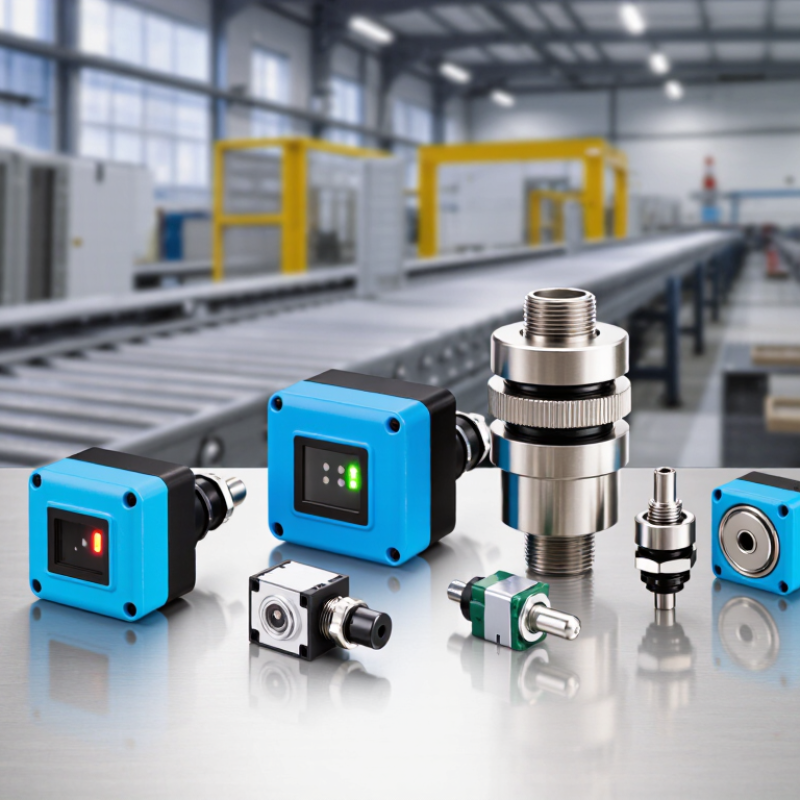
Which Telemecanique Sensors Are Best in 2026?

How Telemecanique Sensors Work and Where They Are Used

Industrial sensors detect changes in a machine or its surroundings and convert them into electrical signals. Inductive proximity sensors create an electromagnetic field and detect nearby metal without touching it. Photoelectric sensors use a beam of light; an object is detected when it interrupts or reflects that beam. Ultrasonic models send out sound pulses and measure their return time. Mechanical limit switches work differently: a moving part presses an actuator to change the circuit. Simple, but effective.

These sensors help control conveyor lines, packaging equipment, and assembly stations. A photoelectric sensor can count cartons as they pass, while an inductive model can confirm that a metal component is seated. Limit switches can indicate when a machine door or sliding mechanism reaches a set position. They are not automatically safety devices; use appropriately rated equipment where people need protection. Dust, vibration, glare, and oil can affect performance. A sensor that works perfectly on a clean bench may behave differently beside a running press.

Tips: Match the sensing method to the target material and distance. Check the rated range, response time, output type, and environmental protection rating. Test with the actual part in its real mounting position. Small alignment errors matter. Keep a little room for adjustment, too.


Key Criteria for Evaluating Telemecanique Sensors in 2026

Choosing a sensor in 2026 starts with the target and the machine, not a catalog headline. Inductive models suit metal parts; photoelectric types can detect varied materials, but color, shine, and background affect performance. Check the actual sensing distance with the target in place. A listed range is not a guarantee.

Electrical fit matters just as much. Confirm supply voltage, output type, switching logic, and the controller’s input requirements before ordering. Then assess the installation: oil mist, washdown, vibration, and temperature swings can shorten service life. The right enclosure rating depends on the real exposure, not a guess. Small details matter.

Response time and repeatability deserve testing at the intended speed. Review status indicators and diagnostics if downtime is costly, but do not assume they will identify every fault. Compare replacement availability and connector options, too. I would validate a sample on the line before standardizing it; bench results can miss awkward mounting angles or nearby metal. A short trial may reveal that the “best” sensor is simply the one that stays stable in your actual setup.

Comparing Inductive, Photoelectric, Limit, and Pressure Sensors

Inductive, photoelectric, limit, and pressure sensors solve different problems on a machine. An inductive sensor detects metal without contact, making it useful near oily fixtures or moving steel parts. It ignores many nonmetal targets. Photoelectric sensors use light to detect cartons, labels, or gaps on a conveyor. Dust, glare, and transparent surfaces can complicate readings. Check sensing distance and mounting angle under real operating conditions, not only in a clean test area.

Limit switches use physical contact to confirm that a guard, carriage, or actuator has reached a position. They are easy to understand, but repeated impact can wear the mechanism. Pressure sensors monitor air or fluid pressure, helping identify drops that may affect cylinders, pumps, or process control. Match the sensor’s pressure range and output to the system, and verify that its housing suits the environment. It is tempting to treat these sensor types as interchangeable. That shortcut can cause missed detections or unnecessary downtime. Small details matter. A practical selection check should include target material, contamination, response time, mounting space, and how maintenance staff will test the device.

Best-Fit Telemecanique Sensor Types for Common Applications

For metal-part presence on a conveyor, an inductive proximity sensor is usually a sturdy fit. It detects nearby metal without contact and tolerates dust better than many optical setups. For cartons, labels, or clear gaps between products, choose a photoelectric sensor; test the actual package color and surface, since shiny wrapping can cause missed readings. Ultrasonic sensing suits tank levels or irregular objects where color is unreliable. Pressure and temperature sensors fit pneumatic circuits and process equipment. Use safety-rated devices only when the risk assessment calls for them. Keep it simple.

Selection depends on the installation, not just the sensing principle. Check target distance, mounting space, washdown exposure, vibration, and response time before ordering. In World Robotics 2024, the International Federation of Robotics reported 4,281,585 industrial robots operating worldwide in 2023, with 541,302 installations that year. That scale makes dependable part detection and machine feedback increasingly important, but it does not make every sensor suitable for every line. A sensor that works on a clean bench may struggle near coolant or reflective foil. Verify performance with production samples, then review false triggers after commissioning. It is easy to overlook wiring and maintenance access; that deserves a second look.

Best-Fit Sensor Types for Common Applications (2026)

Compare common industrial sensor types by detection method, suitable applications, and selection considerations.
Sensor Type How It Detects Common Best-Fit Applications Key Selection Considerations
Inductive Proximity Uses an electromagnetic field to detect metal objects without physical contact. Metal part presence, machine positioning, end-of-travel detection, and counting metal components. Best suited to metallic targets. Sensing distance depends on target material, size, and sensor model; check the rated range and installation clearance.
Capacitive Proximity Detects changes in capacitance caused by nearby materials. Detecting non-metallic materials such as plastic, glass, paper, or liquids; monitoring levels through some non-metallic container walls. Can detect both conductive and non-conductive targets. Moisture, material buildup, and nearby objects may affect operation, so confirm the application conditions.
Photoelectric Uses emitted light and a receiver to detect an object or an interruption in a light beam. Conveyor counting, package detection, part presence, and detection across gaps or longer distances than contact-based devices typically allow. Choose among through-beam, retroreflective, and diffuse-reflective arrangements based on range, target reflectivity, alignment, and available mounting space. Dust and ambient light may matter.
Ultrasonic Measures the return time of high-frequency sound waves reflected from a target. Non-contact distance measurement, level detection, and presence detection for objects with varying colors or transparent surfaces. Performance can be affected by soft or angled surfaces, airflow, temperature, and nearby acoustic interference. Check the sensing range and minimum detection distance.
Mechanical Limit Switch A moving actuator is physically operated when a machine part reaches a position. Machine position confirmation, door or guard position indication, and end-of-travel switching in robust mechanical systems. Provides direct mechanical actuation, but has moving parts subject to wear. Verify actuator style, operating force, travel, switching frequency, and environmental rating.
Magnetic Proximity Responds to a magnetic field, commonly from a magnet mounted on a moving component. Piston position detection on compatible pneumatic cylinders, position sensing through non-magnetic walls, and detection where contact is undesirable. Confirm compatibility with the magnet and mounting arrangement. Nearby magnetic fields or ferromagnetic material can influence performance.
Safety Light Curtain Creates an array of light beams; interruption of the protected field signals that access has occurred. Personnel access protection around machinery, such as press, packaging, and assembly equipment. Selection must follow a machine risk assessment and applicable safety requirements. Resolution, protective height, reach, response time, and safety system integration are critical.

Selection note: The best sensor depends on the target material, required detection distance, mounting conditions, operating environment, response time, and control-system interface. Verify specifications for the exact device and application before installation.

How to Select a Telemecanique Sensor for Your System

Choosing a sensor starts with the job, not the catalog. Define the target, sensing distance, switching speed, and required output before comparing models. The International Federation of Robotics’ World Robotics 2024 report counted 4,281,585 industrial robots operating worldwide in 2023. As automated lines grow, a missed detection can interrupt a process or create avoidable scrap. Match the sensor’s range and response time to the actual machine cycle, then confirm that its output works with the controller.

Check the installation site closely. Oil mist, vibration, condensation, metal reflections, and tight mounting space can change performance. An inductive sensor suits metal targets; photoelectric sensing may handle varied materials, but transparent objects can be tricky. Verify enclosure protection, operating temperature, cable or connector type, and alignment tolerance against the machine’s conditions. The IEA’s Energy Efficiency 2023 report says industry used about 37% of global final energy. Consistent presence detection can support process monitoring, though sensor choice alone will not cut energy use. A neat specification sheet can still mislead.

Tips: Test with the real target at the farthest expected distance. Check the signal at the controller, not only at the sensor. Leave adjustment room; maintenance teams may need it later.

An exceptional record of quality and service for 35+ years.