Rod Heaters appear in machines where steady, controlled heat matters. Yet the term can describe several designs, and suppliers do not always use it consistently. This guide compares common types, including cartridge, tubular, and immersion heaters. Each works differently. Choosing the wrong style can leave cold spots, slow recovery, or damage to nearby materials.
A cartridge heater fits inside a drilled metal block or platen. Its close contact transfers heat quickly. Tubular heaters bend around tanks, ducts, and custom surfaces. Immersion heaters place a protected element directly into a liquid. Small differences matter: sheath material, watt density, operating temperature, and fit all affect service life. Measure carefully. A tight bore is not a minor detail.
For a transparent expert perspective, this introduction uses a fictional composite specialist, industrial heating engineer Elena Park. Her illustrative line is: “Match the heater to the material, mounting, and heat demand—not just its shape.” This is an editorially created quotation, not a verified statement by a real person. It captures a practical selection principle, but it is not a substitute for a manufacturer’s specifications or application testing. Real operating conditions can be less tidy than a product chart suggests. Keep that in mind.
The sections ahead explain where each Rod Heaters design performs well, what trade-offs to expect, and which details deserve a second look. They also distinguish general guidance from application-specific advice, so readers can compare options without treating every heater as interchangeable.
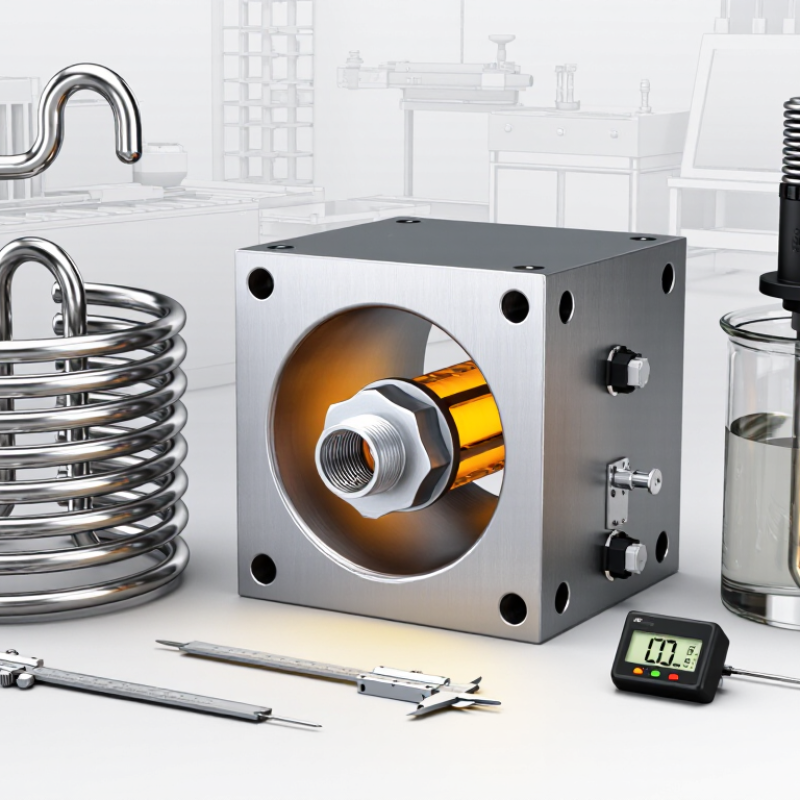
A rod heater turns electrical energy into heat through a resistance wire inside a metal sheath. The wire warms when current passes through it. Magnesium oxide insulation separates the wire from the sheath while allowing heat to move outward. The sheath then transfers heat to nearby air, liquid, or a solid surface. Simple in principle. Fit and contact still matter.
Rod heaters come in several forms. Straight tubular elements suit tanks, ovens, and equipment with open channels. Finned rods spread heat through moving air, while compact cartridge-style elements fit drilled holes in metal parts. Shapes and materials vary because operating temperatures, surroundings, and installation space vary too. A heater that works well in a metal block may perform poorly in open air. The heat path is rarely perfect, and a loose fit can slow transfer.
Tips: Match the heater’s sheath material and wattage to the medium and operating temperature. Check that the element sits securely, and follow its installation instructions. Keep electrical connections dry and properly protected. If heating is uneven, inspect spacing and contact before increasing power; more heat is not always the fix.

Common applications by heater type. A value of 1 indicates a typical application; 0 means it is not a primary use. These are qualitative classifications, not performance ratings.
How they work: Electric current heats a resistance element inside the heater. Heat travels through electrical insulation and the metal sheath to the surrounding material. Cartridge heaters commonly fit drilled holes in tooling, tubular heaters suit ovens and equipment, and immersion heaters transfer heat directly to liquids.
Rod heaters are commonly classified by their construction, dimensions, and intended heat output. A straight, sheathed element may fit a drilled metal block, while a bent tubular design can follow a tank wall or irregular surface. Diameter and heated length matter: even a small mismatch can leave a cold zone or make installation difficult. Shape is only part of the picture.
Sheath material offers another useful distinction. Stainless steel is often selected for moisture resistance, while other alloys may suit higher temperatures or particular process materials. The right choice depends on the surrounding environment and the substance being heated. Check the element’s stated temperature limits; appearance alone is not a reliable guide. Worth checking.
Electrical ratings also separate rod heaters. Voltage, wattage, and watt density—the power released across the heated surface—affect warm-up speed and surface temperature. A high watt density can be useful when space is tight, but it may create hot spots if heat cannot move away quickly. There is no universal best rating. Terminal style, such as leads or threaded connections, can influence wiring and service access, too. A neat classification chart can hide a practical mismatch, so compare the heater’s dimensions and ratings with the actual mounting space and operating conditions. A little measurement saves trouble.
Cartridge rod heaters are compact electric heaters designed to slide into drilled holes in metal parts. Their cylindrical sheath holds a resistance coil, usually insulated with compacted magnesium oxide. This construction concentrates heat inside molds, sealing bars, hot plates, and packaging equipment. Fit matters. A loose bore can slow heat transfer and create uneven temperatures. A tight bore is not always perfect either; machining marks may complicate installation.
The U.S. Department of Energy’s 2015 Improving Process Heating System Performance: A Sourcebook for Industry reports that process heating accounts for about 36% of manufacturing energy use. That figure describes manufacturing broadly, not cartridge heaters alone. It does show why heater selection and temperature control deserve attention. For a cartridge heater, engineers typically check bore dimensions, operating temperature, watt density, and cycle time against the part and process. Small, precise heat. During installation, measure the actual bore and monitor the part’s temperature, not only the heater setting. A sensor placed too far from the heated zone may miss a cold spot. That detail is easy to overlook.
| Heater Type | Typical Construction | Common Applications | Installation | Key Selection Considerations |
|---|---|---|---|---|
| Cartridge rod heater | Resistive wire is insulated from a metal sheath, commonly stainless steel, and compacted for efficient heat transfer. | Heating dies, molds, platens, packaging equipment, and other solid metal parts. | Inserted into a drilled hole, usually with a close fit to the surrounding material. | Match the heater diameter and length to the bore. Consider wattage, operating temperature, fit, and lead-wire protection; poor fit can shorten service life. |
| Tubular rod heater | A resistance element is embedded in electrically insulating material inside a metal tube; the tube can be formed into different shapes. | Ovens, industrial equipment, air heating, and custom heating assemblies. | Mounted with brackets, clamps, or purpose-designed supports, depending on the assembly. | Choose a shape and sheath material suited to the installation. Allow for thermal expansion and avoid contact with materials the sheath cannot withstand. |
| Screw-plug immersion heater | One or more tubular heating elements are attached to a threaded fitting that seals into a tank or vessel. | Heating water, oils, and compatible process liquids in tanks and smaller vessels. | Screwed into a matching threaded opening, with the heated portion immersed in the liquid. | Verify thread size, liquid compatibility, required heat output, and minimum liquid level. The elements must remain covered during operation. |
| Flanged immersion heater | Tubular heating elements are secured to a flange for installation in a vessel or tank opening. | Process tanks and larger vessels requiring a removable, sealed heater assembly. | Bolted to a compatible vessel flange or mounting nozzle. | Check flange dimensions, pressure and temperature requirements, sheath compatibility, and liquid coverage. Provide appropriate temperature controls. |
| Circulation heater | Immersion elements are installed in a pressure-rated chamber through which a liquid or gas flows. | Inline heating of process liquids, water, and gases in piping systems. | Connected into the process line, with the flow routed through the heater chamber. | Confirm the medium, flow rate, pressure, temperature rise, and chamber materials. Adequate flow helps prevent localized overheating. |
Tubular rod heaters use a resistance wire enclosed in a metal sheath, with compacted mineral insulation helping transfer heat outward. Their straight, rigid form suits equipment where heat must reach a defined area. Common uses include heating tanks, molds, dies, and air ducts. In a workshop, a rod may sit inside a metal block, warming its surface steadily during a production run.
That matters.
The sheath material, diameter, and watt density should match the operating conditions. A heater exposed to moisture or corrosive liquid needs suitable material and sealing; a high surface temperature can damage sensitive fluids. For air heating, spacing and airflow affect how evenly heat spreads. In a tank, immersion depth and liquid level matter.
Not every setup fits. A rod heater running without adequate heat transfer may overheat, even if its electrical rating appears correct. I would check the mounting, temperature control, and expected duty cycle before choosing one. These details are easy to overlook when a heater looks like a simple metal tube.
Immersion rod heaters warm liquids directly, making them useful in tanks, vats, and process vessels. A metal sheath protects the heating element while heat passes into the surrounding fluid. Common applications include water storage, wash systems, and oil preheating. The heater’s material and watt density should match the liquid and operating temperature. Small details matter.
In a workshop, a rod heater may sit horizontally through a tank wall, with its heated section fully submerged. A thermostat can help maintain a steady temperature, while a separate high-limit control can reduce overheating risk. For viscous oils, slower heating may be more appropriate than a high-output element. Cold spots can still occur if the liquid does not circulate well. That part is easy to overlook.
Immersion heaters also serve food-processing and cleaning equipment, but compatibility must be checked carefully. Some solutions can corrode certain sheath materials, and deposits may build up on the heated surface. Regular inspection helps reveal scale, loose fittings, or damaged insulation before performance declines. The correct installation depends on the vessel, fluid, and duty cycle; one configuration rarely suits every tank. A qualified technician can verify electrical ratings, grounding, clearances, and control settings for the specific application.
An exceptional record of quality and service for 35+ years.
© 2026 Excell Battery Co. All rights reserved.Privacy Statement