
Global buyers sourcing Electric Fuel Pumps face a practical test: consistent pressure, dependable flow, and reliable service across varied vehicle platforms. The scale is substantial. OICA reported 93.5 million motor vehicles produced worldwide in 2023, while the International Energy Agency reported nearly 14 million electric-car sales that year. These figures describe a changing automotive market, not fuel-pump demand directly. Still, they show why buyers must assess both current production needs and the pace of powertrain change.
Specifications matter. A pump that looks suitable on a catalog page may fail when fuel compatibility, operating temperature, electrical load, or installation dimensions differ. Buyers should verify test documentation, traceability, warranty terms, and production capacity—not just unit price. Details matter. Robert Bosch, the engineer and automotive supplier founder, is widely credited with saying, “I would rather lose money than trust.” For global procurement, that principle supports careful supplier verification; it is not a technical endorsement of any particular pump.
This “Top 10” guide compares suppliers through product range, manufacturing reach, quality evidence, and support for international buyers. It also recognizes an imperfect reality: public supplier data can be uneven, and claims are not always easy to compare. Treat rankings as a starting point, then confirm specifications and certifications directly. Fit is not enough. A strong supplier must deliver repeatable performance, clear documentation, and responsive support when a shipment or field issue arises.
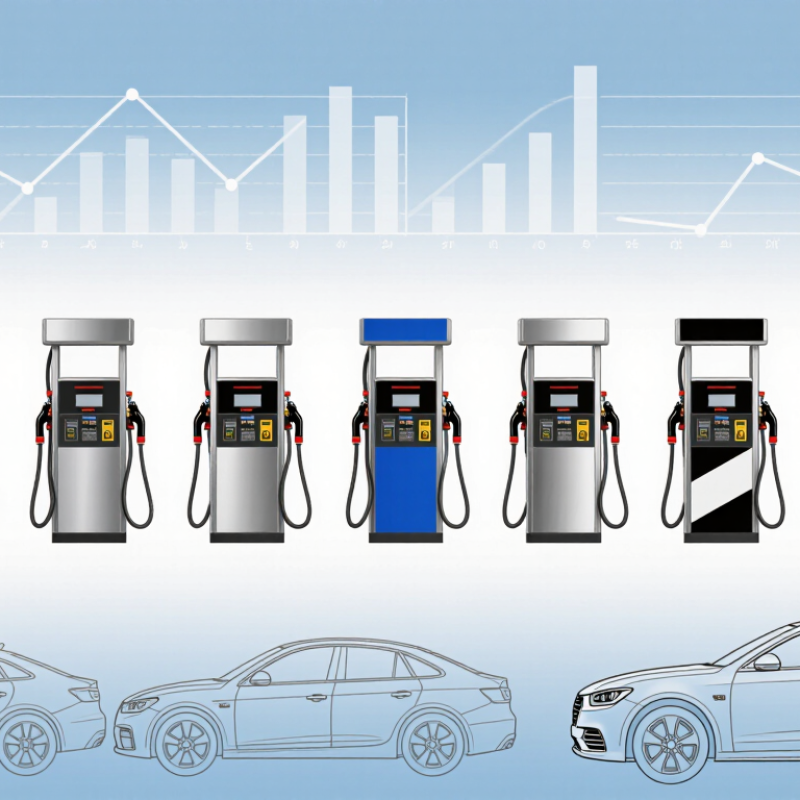
Electric fuel pumps move fuel from the tank toward the engine at a controlled rate and pressure. Many modern vehicles use an in-tank pump, where fuel also helps cool the pump motor. Some designs use an external pump or combine the pump with a filter and level sensor. Fit matters.
Their role varies by fuel system. Port-injected gasoline engines need steady delivery at moderate pressure, while direct-injection systems rely on additional high-pressure equipment. In many diesel vehicles, an electric lift pump supplies fuel to a separate high-pressure pump. The electric unit is only one part of the system.
Global applications bring practical differences. A vehicle operating in cold northern winters may face thickened fuel and harder starts; hot climates can increase heat around the tank. Voltage, connector shape, mounting depth, flow capacity, and filtration all affect compatibility. One detail is easy to overlook: matching the connector does not confirm the pump meets the engine’s pressure requirements. Supplier data should be checked against the vehicle specification, and installation should follow the manufacturer’s service procedure. Even careful checks can miss wear in old wiring or a restricted fuel line. That is worth considering.
An anonymized sourcing comparison by supplier capability and application. The entries are capability segments, not named companies or a ranked list.
| No. | Supplier Capability Segment | Typical Pump Configuration | Common Applications | Typical Electrical System | Key Buyer Checks |
|---|---|---|---|---|---|
| 1 | Passenger-car gasoline systems | In-tank electric pump module, often supplied with a strainer and fuel-level sender | Gasoline passenger cars with port fuel injection or electronic fuel injection | Usually 12 V | Confirm vehicle fitment, connector and module dimensions, flow and pressure requirements, and fuel-system compatibility. |
| 2 | Gasoline direct-injection feed systems | In-tank electric low-pressure supply pump; the engine-driven high-pressure pump is a separate component | Gasoline direct-injection passenger cars and light vehicles | Usually 12 V | Check low-side pressure and flow specifications, control strategy, electrical connector, and compatibility with the vehicle’s high-pressure system. |
| 3 | Flex-fuel and ethanol-compatible systems | In-tank electric pump or complete module using fuel-resistant materials | Vehicles designed for gasoline-ethanol blends, including flex-fuel applications | Usually 12 V | Verify the approved ethanol blend range and material compatibility for the pump, seals, wiring, and surrounding fuel-system components. |
| 4 | Motorcycle and powersports systems | Compact in-tank or externally mounted electric pump | Fuel-injected motorcycles, scooters, all-terrain vehicles, and similar powersports equipment | Commonly 12 V | Check package size, mounting method, vibration resistance, connector type, and the required flow and pressure for the specific engine. |
| 5 | Light-commercial vehicle systems | In-tank module or electric supply pump, selected for the vehicle’s fuel-injection design | Gasoline vans, pickups, and light trucks | Usually 12 V | Confirm the exact vehicle and engine application, duty-cycle requirements, fuel-tank fit, and any integrated sender or filter functions. |
| 6 | Heavy-duty diesel low-pressure supply systems | Electric lift or transfer pump feeding the engine’s separate high-pressure injection equipment | Diesel trucks, buses, and commercial vehicles | 12 V or 24 V, depending on the vehicle | Validate diesel compatibility, inlet and outlet specifications, filtration needs, continuous-duty rating, and the vehicle’s electrical voltage. |
| 7 | Agricultural and off-highway systems | Electric supply or lift pump designed for the relevant gasoline or diesel system | Tractors, construction equipment, and other off-highway machinery | 12 V or 24 V, depending on the equipment | Assess dust, moisture, vibration, temperature range, serviceability, fuel type, and compatibility with the original engine system. |
| 8 | Marine gasoline systems | Marine-suitable electric pump or fuel-system assembly specified for the engine installation | Gasoline-powered boats and marine engines | Commonly 12 V; some installations use 24 V | Confirm marine-use suitability, installation requirements, fuel compatibility, corrosion resistance, and applicable local safety regulations. |
| 9 | Generator and stationary-engine systems | Inline or tank-mounted electric transfer pump matched to the engine’s fuel-delivery requirements | Gasoline or diesel generator sets and stationary engines | Varies by equipment; may be 12 V or 24 V | Check continuous operating duty, fuel type, required flow, supply voltage, installation orientation, and engine-maker specifications. |
| 10 | Replacement and service-part systems | Replacement pump, installation kit, or complete module for a specified vehicle or engine application | Repair and maintenance markets for cars, light trucks, motorcycles, and equipment | Must match the original application, commonly 12 V for light vehicles | Request application coverage, fitment data, test documentation, included installation parts, warranty terms, and traceability information. |
Buyer note: Electric fuel-pump specifications are application-specific. Confirm fuel type, pressure, flow, voltage, electrical control, mounting, and material compatibility against the equipment manufacturer’s requirements. Diesel lift pumps supply fuel to the injection system; they are not substitutes for high-pressure injection pumps.



An exceptional record of quality and service for 35+ years.
© 2026 Excell Battery Co. All rights reserved.Privacy Statement