What Are the Top Cellulose Fiber Types for Buyers in 2026?
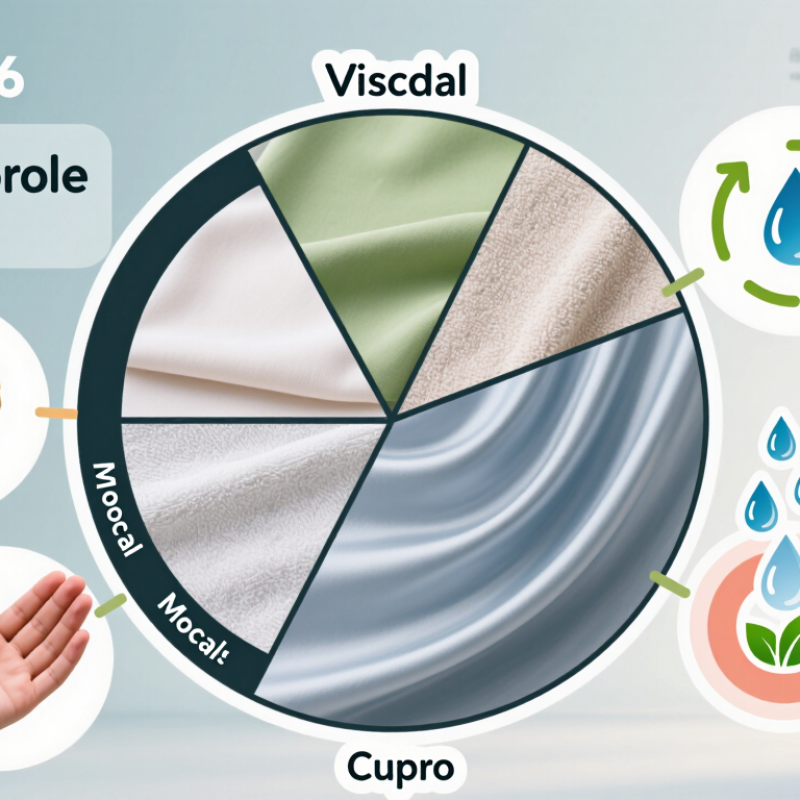
In 2026, choosing a Cellulose Fiber is not simply a matter of comparing labels. Buyers must match fiber properties to the product, process, and end market. Viscose can offer soft drape for dresses and linings. Modal often suits close-fitting garments and towels. Lyocell is valued for strength and moisture handling, while cupro can provide a smooth, fluid feel. Recycled cellulose fibers may help reduce reliance on virgin feedstocks, but their quality and availability vary.
Textile scientist Dr. Richard Blackburn’s life-cycle perspective can be expressed as a practical reminder: “A fiber should be judged by how it is made, used, and managed at the end of its life.” This is a paraphrase, not a verbatim quotation. For purchasing teams, that means checking more than fiber names. Ask for fiber composition, verified sourcing information, relevant test results, and evidence supporting environmental claims. A crisp sample swatch feels useful, but it cannot reveal every processing detail.
The right shortlist depends on real specifications. Consider strength, shrinkage, color consistency, hand feel, price stability, and compatibility with existing machinery. Request samples, then test them under conditions that resemble production and use. Small differences matter. A fabric that drapes beautifully on a showroom table may behave differently after washing or finishing. Not every supplier will provide equally detailed documentation, and some comparisons remain imperfect. Buyers should record unanswered questions rather than quietly treating them as settled facts. This outline begins with the major fiber types, then compares their performance, sourcing considerations, and practical trade-offs for 2026 purchasing decisions.
Classify Cellulose Fibers: Natural, Regenerated, and Modified Types
Cellulose fibers fall into three practical groups: natural, regenerated, and chemically modified. Natural cotton, flax, and hemp retain plant-fiber structures, though cleaning and spinning change their form. They can feel crisp or soft, depending on fiber length and processing. Regenerated fibers begin as cellulose pulp, which is dissolved and spun into new filaments. Viscose, modal, and lyocell belong here. The categories are useful, but not perfectly tidy.
Scale matters for buyers. Textile Exchange’s Materials Market Report 2024 estimates that global fiber production reached 124 million tonnes in 2023, including about 7.9 million tonnes of man-made cellulosic fibers. That is a sizable category, but far smaller than polyester. Ask suppliers about pulp origin, processing route, and traceability—not just the fiber name. A soft hand-feel proves little.
Modified cellulose includes acetate, whose cellulose structure is chemically altered before shaping. It can bring a smooth drape to linings and apparel, but heat sensitivity may complicate care. Lyocell often suits breathable fabrics, while cotton remains familiar and versatile. No type wins every brief. Check test results for strength, shrinkage, and wet performance against the finished product’s needs. A small swatch can reveal surprises. Textile Exchange’s figures describe market volumes, not the environmental impact of an individual fiber; sourcing and manufacturing details still need scrutiny.
Compare Cotton and Flax: Cotton Output Was 24.4 Mt in 2023 (Textile Exchange)
Textile Exchange’s Materials Market Report 2024 estimates global cotton fiber production at 24.4 million tonnes in 2023. That scale gives buyers broad spinning capacity and familiar specifications, from staple length to yarn count. Still, high output does not guarantee predictable prices or consistent quality. Weather, harvest conditions, and mill requirements matter. Compare delivered cost per usable kilogram, not just the quoted bale price.
Flax offers a different supply profile. European Flax-Linen and Hemp sector reporting describes production and processing as concentrated in Europe, making regional harvests and scutching capacity important when assessing availability. Not interchangeable. Cotton suits buyers prioritizing volume and established sourcing routes; flax can suit products that value its crisp hand and visible natural slubs. Ask for proof: request fiber-origin details, test results, and the exact grade being quoted. I would not treat the two crops’ production figures as a clean like-for-like comparison, since reports may count different fiber forms and regions. That distinction is easy to overlook. For 2026 contracts, confirm the specification and delivery window before comparing prices.
Cotton vs. Flax: Typical Moisture Regain
Moisture regain is the amount of moisture a fiber absorbs from the air under standard conditions, expressed as a percentage of its dry weight. Flax typically absorbs more moisture than cotton.
Typical reference ranges: cotton 7–8.5%; flax 10–12%. Actual values vary with fiber grade and test conditions. Textile Exchange reported cotton output of 24.4 million metric tonnes in 2023; that production figure is context, not a moisture-regain measurement.
Viscose, Modal, Lyocell: MMCFs Totaled 7.9 Mt in 2023 (Textile Exchange)
Textile Exchange’s Materials Market Report 2024 estimates that man-made cellulosic fibers (MMCFs) reached 7.9 million tonnes in 2023. A substantial volume. But this combined figure covers viscose, modal, and lyocell; it does not mean buyers can treat them as interchangeable. Nor does it reveal each fiber’s individual share.
Viscose is widely used for soft, fluid fabrics. Modal can suit garments where wet strength and shape retention matter. Lyocell often offers a smooth feel, but processing and fabric construction affect the final result. Ask suppliers about fiber composition, pulp origin, production route, and facility-level wastewater and chemical management. Labels alone are not enough.
The same report estimates total global fiber production at about 124 million tonnes in 2023, placing MMCFs at roughly 6% of output. That is significant, but production volume does not prove that a particular shipment has lower impacts. A spreadsheet can hide the mill. Compare traceability records and current certificates, then test the actual fabric for shrinkage, pilling, and drape. The picture is not perfectly tidy.
Evaluate Acetate and Other Cellulose Derivatives by Use and Specifications
Cellulose derivatives serve different jobs, so buyers should compare specifications rather than rely on the word “cellulose.” Textile Exchange’s Materials Market Report 2024 estimates global fiber production reached about 124 million tonnes in 2023; man-made cellulosics are a smaller, established category. Viscose suits soft, absorbent apparel and linings, while modal is often selected where softness and dimensional stability matter. Lyocell can offer strong wet performance, but process conditions and fabric construction still affect results. Acetate is valued for its smooth drape, luster, and quick drying in linings and fashion fabrics. Not interchangeable.
Request denier or dtex, filament or staple form, tensile strength, elongation, moisture regain, shrinkage, and color consistency. For acetate, check heat sensitivity and care requirements before specifying pleating or high-temperature finishing. For viscose and lyocell, compare wet strength and shrinkage under the buyer’s actual wash conditions. BISFA’s man-made fiber terminology and test-method publications can help suppliers and buyers align specification language. A common evaluation gap is testing only the fiber, not the finished fabric; seams, dyes, and finishes can change performance. Ask for test results tied to the intended end use, not just a generic technical sheet.
Select 2026 Fibers by Performance, Cost, and Sourcing Requirements
For 2026 purchasing, match fiber choice to the fabric’s job, not just its label. Cotton offers familiar strength and breathability, but crop conditions and fiber quality can vary. Viscose is often a cost-conscious option for soft, fluid fabrics; it can lose strength when wet, so test the finished garment. Modal suits soft knits, while lyocell can provide a smooth hand and useful moisture management. Acetate brings sheen and drape, but heat sensitivity may limit care options. Small differences matter.
Scale also matters. Textile Exchange’s Materials Market Report 2024 estimates global fiber production reached 124 million tonnes in 2023, with manmade cellulosic fibers making up roughly 6 percent. That makes sourcing evidence important, not optional. Ask suppliers for fiber composition, mill traceability, and documentation for wood-based feedstocks; compare these with your own procurement requirements. For viscose and lyocell, ask how pulping chemicals and process water are managed. A certificate alone may not answer every question. It is worth checking.
Compare landed cost, minimum order quantities, lead times, dyeing behavior, and shrinkage using the same sample specifications. A lower-priced fiber can become expensive after reprocessing or rejected batches. Request trial yardage and wash-test it under real care conditions. The best choice is rarely universal; even an otherwise strong sourcing plan can overlook one small but costly detail.