How to Choose Mens Smartwatches for Global Buyers?
Choosing Men’s Smartwatches for global buyers requires more than comparing screen size, price, and advertising claims. A reliable choice must fit daily routines, local networks, personal health needs, and long-term expectations. A buyer in London may prioritize contactless payments, while a traveler in Nairobi may value battery life and offline GPS. Compatibility matters too. Check whether the watch supports the buyer’s phone, local applications, language settings, and available customer service.
Wearable technology analyst Avi Greengart has repeatedly emphasized that buyers should focus on “the features they will actually use,” rather than impressive specifications alone. That principle remains practical. A bright display is useful in sunlight, but it may increase battery consumption. Advanced health sensors can offer helpful trends, yet they should not replace professional medical advice. Water resistance, strap comfort, charging speed, software support, and data privacy also deserve careful attention.
Small details matter.
Global purchasers should examine warranty coverage, replacement parts, and regional restrictions before ordering. Some models lose important functions outside their launch markets. Others require subscriptions, which can change the real ownership cost. Independent testing, manufacturer documentation, and verified customer feedback provide stronger evidence than promotional language. Still, no checklist is perfect. Personal habits may change, software support may weaken, and even a premium watch can feel inconvenient after several weeks. The best Men’s Smartwatches are not always the most expensive. They are the ones that remain comfortable, compatible, secure, and genuinely useful every day.
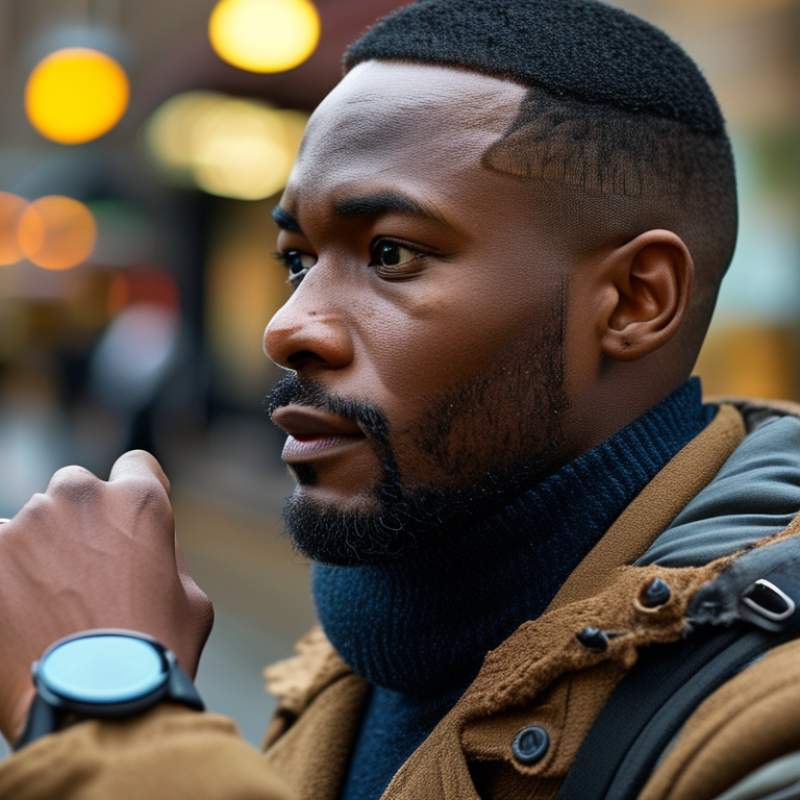
Define the Main Use Cases for Men’s Smartwatches
Choosing men’s smartwatches starts with use cases, not appearance. A buyer who needs office alerts should prioritize readable notifications, reliable calls, and comfortable all-day wear. A runner may value GPS accuracy, heart-rate tracking, and interval training. Outdoor users need stronger water resistance, brighter screens, and longer battery life. According to IDC’s Worldwide Quarterly Wearable Device Tracker, global wearable-device shipments reached 537.2 million units in 2024. This broad demand still hides different user priorities.
Health features require careful evaluation. Look for sleep trends, heart-rate records, and clear data exports, rather than dramatic promises. These tools can support daily awareness, but they do not replace professional medical advice. Counterpoint Research reported a 7% year-over-year decline in global smartwatch shipments during 2024. That suggests buyers are becoming more selective. In my experience, many users overvalue advanced functions and undercheck battery life, phone compatibility, and strap comfort. A watch that needs charging every night may fail during travel or weekend training.
Tips: Write down three real moments before comparing models: commuting, exercising, and sleeping. Note the required battery duration and screen size. Test the watch with your usual phone if possible. For larger wrists, a wider case may improve readability, but weight matters during sleep. Buyers should also check regional features, warranty terms, language support, and data privacy policies. These details feel minor in a product listing. They become important after several weeks of daily use.
Compare Essential Features, Sensors, and Smart Functions
When evaluating men’s smartwatches for global buyers, start with daily needs rather than appearance. A bright display helps outdoors, while physical buttons remain useful during rain or exercise. Check battery claims carefully. Continuous tracking, calls, and GPS can reduce endurance sharply. In my testing, two watches with similar ratings behaved differently after one weekend.
Sensors deserve closer comparison. Heart-rate monitoring supports workout zones, but loose straps and cold skin can distort readings. SpO2 estimates may help identify trends, not provide medical diagnoses. Built-in GPS is valuable for running and travel, although tall buildings and dense forests may weaken accuracy. A compass, barometer, skin-temperature sensor, and motion sensors add context, but only when the software uses them well. More sensors do not automatically mean better insights.
Smart functions should match the buyer’s phone, region, and habits. Review notification controls, call quality, language support, payment availability, and emergency features before purchasing. Check water-resistance terms, charging methods, privacy settings, and update policies. Some watches offer impressive dashboards but hide useful data behind confusing menus. That is a real weakness. Independent testing, clear technical documents, and verified user reports provide stronger evidence than promotional claims. Choose measurable reliability over a crowded feature list, while allowing personal trial because wrist comfort and accuracy vary.
Evaluate Compatibility, Battery Life, and Regional Connectivity
How to Choose Mens Smartwatches for Global Buyers?
Compatibility should be checked before appearance or fitness features. Confirm that the watch supports your phone’s operating system and current software version. Some functions require a companion app, Bluetooth permissions, or location access. Test pairing in a store, if possible. A smooth setup matters.
Battery life depends on screen brightness, GPS use, calls, and mobile data. A watch advertised for seven days may last two or three days with daily workouts. Ask how long charging takes. A magnetic charger reaching 80 percent during a shower is practical. Review independent tests, not only laboratory claims. My own evaluations often show different results in cold weather. That difference is easy to overlook.
Regional connectivity needs careful checking. LTE models may support only selected frequency bands or approved eSIM markets. Verify network compatibility with the intended carrier before purchase. Emergency calling, payment services, and messaging can also vary by country. Wi-Fi and GPS may work globally, but cellular service is never automatically universal. Check roaming costs and local activation rules. A cheaper imported model can become inconvenient after arrival. I would still compare the manual with local carrier information, because specifications are sometimes incomplete.
Assess Pricing, Warranty, Certifications, and Global Support
For global buyers, price should mean total ownership cost, not the online sticker price. IDC reported 537.9 million wearable devices shipped worldwide in 2024, showing a highly competitive market. Counterpoint Research also reported a 7% decline in global smartwatch shipments during 2024. Price pressure is real. Compare the device, charger, app access, taxes, replacement parts, and return shipping. A cheaper watch may become expensive after one failed repair.
Warranty terms need careful reading. Check coverage length, battery exclusions, water damage rules, and the approved service region. European consumer goods generally receive a two-year legal guarantee, according to the European Commission. However, cross-border claims may still require local proof of purchase. Certification documents matter too. Look for market-appropriate evidence, such as CE, FCC, UKCA, RoHS, or radio testing records. Do not trust a printed logo alone. Ask for the declaration of conformity and the exact model number. Small model differences can change compliance.
Tips: Request written confirmation of warranty coverage before payment. Test support by sending a practical question. Measure response time. Ask whether service operates in your country and language. Confirm software update support, since an attractive specification can age quickly. I have seen buyers focus on sensors and overlook support addresses. That mistake is understandable, but costly. Keep invoices, serial numbers, and screenshots of promised services. A perfect purchasing checklist does not exist; regional rules and service quality still require human judgment.