Buying a Used Bulldozer in 2026 requires more than comparing prices and engine hours. Market conditions, repair costs, machine age, and technology have changed. A low-priced crawler may hide worn tracks, weak hydraulics, or an unreliable transmission. The real cost appears after delivery.
This guide explains how to inspect a Used Bulldozer with practical judgment. Begin with the machine cold, not warmed up by the seller. Watch the exhaust during startup. Listen for uneven engine sounds. Check the undercarriage, including rollers, sprockets, idlers, and track shoes. Look for hydraulic oil around cylinders and hoses. Small leaks can become expensive failures. Photograph the serial plate and compare it with maintenance records, inspection reports, and the manufacturer’s specifications.
Hours matter, but they are not the whole story. A bulldozer working in abrasive rock may suffer more wear than one used on soft soil. Ask where it operated, who maintained it, and why it was sold. An independent heavy-equipment mechanic can identify problems that photographs miss. A dealer’s warranty may help, but read every condition carefully. No inspection is perfect. Even experienced buyers overlook details when they focus too heavily on price. Leave room for repairs, transport, taxes, and downtime. A careful decision is not always the fastest one. Yet it usually protects your budget and keeps the machine productive.
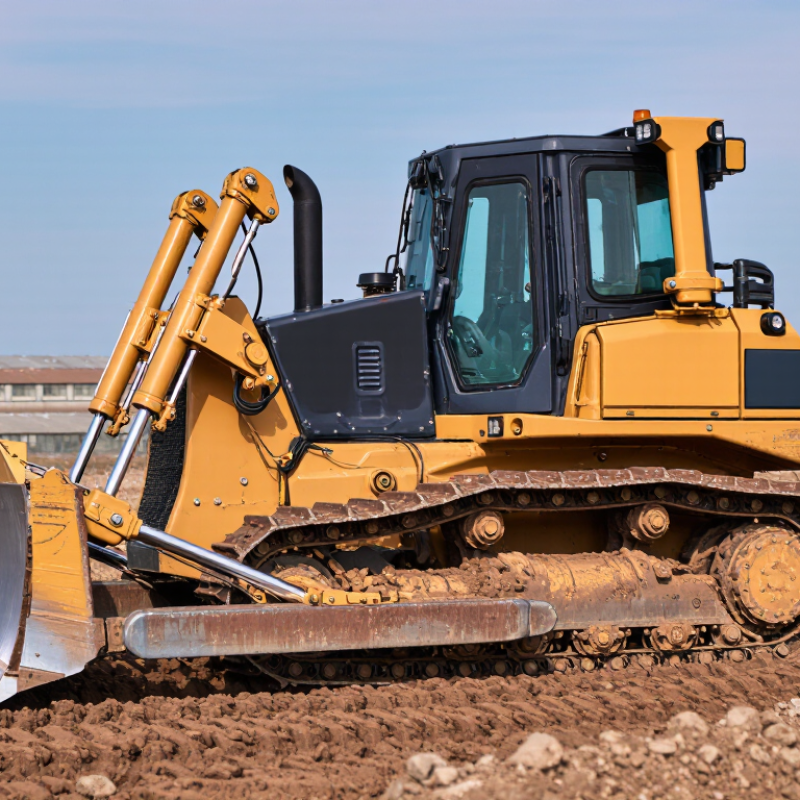
Before searching for a used bulldozer, define the work in measurable terms. Estimate earth moved per day, soil density, haul distance, slope, and working hours. A six-hour weekly landscaping job needs a different machine from continuous quarry production. Record the required operating weight, blade capacity, track width, and maximum drawbar pull. Also check transport limits and ground pressure. Small details matter.
Set a purchase ceiling, not just a sticker-price target. The U.S. Census Bureau reported approximately $2.15 trillion in construction spending during 2024, showing strong equipment demand but also intense price competition. EquipmentWatch’s Cost Recovery Handbook separates ownership costs from operating costs; use that structure when comparing machines. Add inspection, transport, taxes, fluids, undercarriage repairs, insurance, and a contingency reserve. A practical reserve may need to cover one major repair. That can feel excessive.
Fuel deserves a realistic calculation. The U.S. Energy Information Administration recorded an average U.S. on-highway diesel price near $3.76 per gallon in 2024. If a crawler burns eight gallons hourly, fuel alone approaches $30 per operating hour. Actual consumption changes with soil, idle time, and operator technique. Keep a written production estimate, then challenge it. My first estimates are usually too optimistic. A machine that looks cheap may become expensive after 500 working hours. Review maintenance records, undercarriage wear, hydraulic drift, and cold-start behavior before changing your budget.

How to Buy a Used Bulldozer in 2026?
Machine type should match the ground, not the seller’s sales pitch. Crawler dozers suit grading, clearing, and uneven terrain. Straight blades cut efficiently, while angle blades improve ditching and side-casting work. Universal blades move larger soil volumes but demand stronger hydraulic systems. Off-Highway Research’s 2024 forecast expects global construction equipment demand to remain above one million units annually through 2027. That volume creates choice, but also creates confusion.
Size matters more than engine power alone. Compare operating weight, blade width, net horsepower, ground pressure, and transport limits. A compact dozer may reduce fuel use and ground damage. A heavier machine offers better pushing force on dense material. Check the undercarriage carefully. Measure track shoe wear, roller condition, sprocket teeth, and frame cracks. Hours can mislead. A machine with 6,000 gentle hours may outperform one with 3,000 harsh hours.
Review operating features before negotiating. Hydrostatic drive can provide smoother control, while powershift systems may suit repetitive pushing. Inspect joystick response, hydraulic drift, cooling performance, and reverse alarms. Confirm ROPS protection, emissions documentation, service records, and available diagnostic information. EquipmentWatch’s 2024 used-equipment market analysis emphasizes comparing age, hours, region, and sale channel rather than relying on one average price. I still get this wrong sometimes: clean paint can distract from neglected components. Request a cold start. Test it under load. Then compare at least three similar machines before making an offer.
A used bulldozer can look strong while hiding expensive mechanical problems. Inspect it cold, not after the seller warms the engine. Check for hard starting, blue smoke, uneven idle, and abnormal hydraulic noise. Place a clean sheet beneath the machine overnight. Fresh oil may hide a slow leak.
The undercarriage deserves careful attention because it often absorbs the highest working stress. Measure track-chain wear, inspect sprocket teeth, and check roller seals for oil. Look for cracked blade corners, welded frame sections, and loose pins. An auction-market analysis published in 2024 found that heavy equipment condition and documented maintenance strongly affect resale pricing, not just machine age. That matters when comparing two similar dozers.
Request service invoices, hour-meter photographs, fluid records, and major component replacements. Compare the records with operating hours and visible wear. The U.S. Department of Energy reports that predictive maintenance can reduce maintenance costs by 8–12% and unplanned downtime by 35–45% across industrial operations. A bulldozer is not a factory machine, but the principle still applies. Oil analysis can reveal coolant, fuel, or metal contamination before failure. Hire an independent technician for compression, hydraulic-pressure, and drivetrain tests. It costs less than guessing.
Be skeptical of perfect paint. It may cover neglect. I would also admit one uncomfortable truth: inspection decisions are sometimes rushed, especially when a low price creates pressure. A missing maintenance record should be treated as a risk, not as proof of abuse.
This 100-point inspection model prioritizes the areas that most directly affect a used bulldozer’s operating reliability and ownership cost. Give extra attention to the undercarriage, hydraulic system, engine, and maintenance records before making an offer. A machine with incomplete service documentation should receive a lower overall evaluation.
Buying a used bulldozer in 2026 requires more than checking paint and engine sound. Verify the seller’s ownership records before arranging payment. Ask for the title, purchase invoice, registration history, and any finance-release document. The identification number on every record must match the machine’s frame plate. Check the number twice. A clean-looking file can still contain missing transfers or unclear ownership.
The hour meter deserves careful skepticism. Compare its reading with service invoices, inspection reports, and digital maintenance records. A bulldozer showing 4,200 hours should not have pedals worn smooth like a much older machine. Examine seat damage, joystick wear, track condition, and hydraulic leakage. Start the engine cold, not after the seller has warmed it. Cold starts reveal smoke, weak batteries, and unusual knocking more honestly. I once treated a bright hour display as reassuring. That was too generous.
Safety compliance must be verified before operation. Confirm that rollover protection, falling-object protection, seat belts, guards, warning lights, mirrors, and emergency controls are present and functional. Review inspection dates and repair records against local workplace requirements. Ask whether outstanding safety defects were formally corrected. Do not accept verbal promises. Test the brakes and steering in a clear area with professional supervision. Take photographs of missing guards and damaged steps. Small defects can become serious hazards, especially on slopes or crowded work sites. A qualified inspector may find problems that a careful buyer misses. That expense is easier to accept than discovering unsafe equipment after delivery.
How to Buy a Used Bulldozer in 2026?
Comparing prices starts with more than the listing figure. Record the machine’s age, operating hours, engine condition, undercarriage wear, blade type, and included attachments. A low-priced bulldozer may need expensive track repairs. Ask for service records and recent inspection reports. Then compare three or more similar machines from different sellers. Include transport, taxes, inspection fees, and expected repairs in your calculation. Hours can mislead. A well-maintained machine with higher hours may outperform a neglected one.
Inspect the bulldozer after a cold start. Listen for unusual knocks, check hydraulic cylinders for leaks, and examine loose pins around the blade. Ask the seller to demonstrate steering, braking, controls, and attachment movement. I once focused too heavily on the purchase price and underestimated transport costs. That mistake changed my checklist. During negotiation, use documented defects rather than vague opinions. Request a lower price, fresh servicing, spare parts, or delivery support. Keep every promise in writing. A short warranty can matter more than a small discount.
Before payment, verify the serial number, ownership documents, maintenance history, and agreed equipment list. Use a written contract that states the final price, payment schedule, inspection rights, delivery date, and responsibility for damage during transport. Avoid paying the full amount before inspection and acceptance. An independent mechanic can identify problems that photographs hide. Leave room for hesitation. The cheapest choice is not always the safest purchase.
| Equipment Category | Typical Operating Weight | Typical Power | Common Age | Typical Hour Meter | Indicative Used Price in 2026 | Estimated Repair Reserve | Best-Fit Applications |
|---|---|---|---|---|---|---|---|
| Small crawler dozer | 10–16 metric tonnes | 90–150 hp | 5–12 years | 3,000–8,000 hours | $55,000–$180,000 | 10%–20% of purchase price | Residential development, farm roads, utility work, light grading |
| Medium crawler dozer | 18–30 metric tonnes | 160–280 hp | 5–15 years | 4,000–12,000 hours | $120,000–$420,000 | 12%–25% of purchase price | Road construction, site preparation, quarry work, large land clearing |
| Large crawler dozer | 32–55 metric tonnes | 280–500 hp | 6–18 years | 5,000–16,000 hours | $240,000–$900,000 | 15%–30% of purchase price | Major earthmoving, mining, highway construction, large-scale reclamation |
| Purchase and Negotiation Item | Recommended Benchmark | How to Verify | Negotiation Impact |
|---|---|---|---|
| Hour-meter credibility | The displayed hours should match service records and component wear. | Compare meter readings with inspection reports, maintenance invoices, onboard records, pedal wear, seat wear, and track condition. | Unverified or inconsistent hours justify a 5%–15% price reduction or a written warranty. |
| Undercarriage condition | Track components should have measurable remaining service life, with no severe cracking or abnormal looseness. | Use a calibrated track gauge and inspect links, bushings, rollers, idlers, sprockets, track frames, and adjusters. | A worn undercarriage can justify a large deduction because replacement may cost tens of thousands of dollars. |
| Engine and cooling system | The engine should start cold without excessive smoke, blow-by, overheating, or abnormal noise. | Request a cold start, inspect coolant and oil, perform a load test, and check for leaks around the engine and radiator. | Cooling defects, oil contamination, or weak performance should be repaired before closing or deducted from the price. |
| Hydraulic system and blade | Blade cylinders and hydraulic functions should operate smoothly without drift or major leakage. | Cycle every function under load and inspect hoses, pumps, cylinders, pins, cutting edges, and blade corners. | Visible leaks or excessive blade-pin play support a repair credit or escrow retention. |
| Transmission and final drives | The machine should pull evenly, shift correctly, and turn without unusual noise or hesitation. | Test forward and reverse ranges, steering, brakes, differential operation, and final-drive temperatures. | Slipping, overheating, or metal contamination in oil may justify postponing the purchase. |
| Inspection and documentation | A qualified independent inspection and clear ownership documents should be available before payment. | Obtain a serial-number check, lien search, service history, inspection report, tax documents, and export papers where applicable. | Missing records increase transaction risk and should reduce the offer or stop the deal. |
| Purchase-Completion Step | Recommended Action | Typical Timing | Buyer Protection |
|---|---|---|---|
| Set a total budget | Include purchase price, inspection, taxes, transport, insurance, initial service, and a repair reserve. | Before making an offer | Prevents the machine price from consuming the entire available budget. |
| Make a conditional offer | Tie the offer to an independent inspection, verified ownership, acceptable operating test, and complete documentation. | After preliminary inspection | Allows the buyer to renegotiate or cancel if material defects are discovered. |
| Write the purchase agreement | Record the machine identification number, included attachments, condition, price, taxes, delivery responsibility, and warranty terms. | Before depositing funds | Creates written evidence of what was promised and what is included. |
| Use secure payment terms | Use a verified escrow arrangement or staged payment; avoid sending funds to an unrelated third party. | At contract signing and delivery | Reduces fraud risk and preserves leverage until documents and equipment are received. |
| Complete delivery inspection | Photograph the machine, verify the identification number, check for transport damage, and confirm all attachments and records. | Immediately at delivery | Documents discrepancies before final acceptance or release of retained funds. |
| Perform initial service | Change fluids and filters, grease pivot points, inspect track adjustment, and address safety defects before work begins. | Within the first 25–50 operating hours | Establishes a maintenance baseline and reduces the chance of avoidable downtime. |
Note: Price ranges are indicative 2026 planning ranges in U.S. dollars for used crawler dozers sold through ordinary dealer, private-sale, and auction channels. Actual values vary by region, configuration, attachment package, maintenance history, undercarriage percentage, emissions compliance, transport cost, and market conditions.
An exceptional record of quality and service for 35+ years.
© 2026 Excell Battery Co. All rights reserved.Privacy Statement