What Type of Tree Lights Are Best for Global Buyers?
Choosing the best Tree Lights for global buyers is not simply a matter of brightness or price. The right choice depends on climate, voltage, installation habits, shipping conditions, and local safety expectations. A warm-white string may create a welcoming glow in a living room, while a cooler tone can make outdoor trees appear sharper and more modern.
Lighting designer and author Randall Whitehead once said, “Good lighting is not just about seeing; it is about feeling.” This idea remains useful when comparing Tree Lights across international markets. Buyers should examine LED efficiency, wire durability, timer functions, waterproof protection, plug design, and voltage compatibility. A product may look excellent online but feel disappointing when its cable becomes stiff in cold weather.
Small details matter.
From practical sourcing experience, LED Tree Lights usually offer lower energy use, longer service life, and reduced heat around branches. However, no single design suits every country or customer. Solar models may perform poorly during long winter nights. Battery products can create waste and maintenance concerns. Smart lights may impress younger buyers but confuse households seeking simple controls.
The strongest product descriptions should explain real use, not promise perfection. They should identify tested materials, packaging protection, installation limits, and relevant conformity documentation. Buyers also need clear guidance for indoor and outdoor placement. Even then, mistakes can happen. Weather ratings can be misunderstood, and attractive low prices sometimes hide weak connectors. A reliable global supplier accepts these limitations and improves through customer feedback, sample testing, and transparent communication.
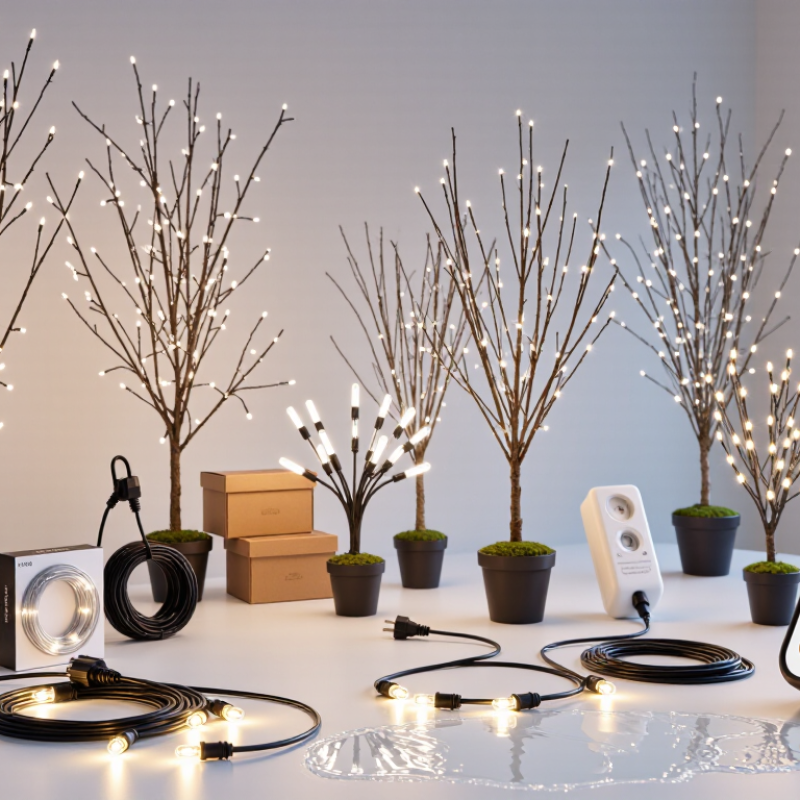
Understanding the Main Types of Tree Lights for Global Buyers
Tree lights come in several main types, and each suits a different buying situation. LED lights are the most practical choice for many global buyers. They use less energy, stay cooler, and usually last longer than incandescent bulbs. Incandescent lights create a warm, traditional glow, but they can become hot and consume more electricity. That difference matters in large displays or warm climates.
Battery-powered lights work well where outlets are unavailable, such as balconies, temporary booths, or small outdoor trees. Solar lights can reduce cable use, although cloudy weather may shorten their nightly operating time. Smart lights offer app controls, timers, and color changes. However, these features can add setup problems across different phone systems. In my sourcing experience, buyers often focus on appearance first. Voltage, plug type, waterproof ratings, and replacement parts deserve equal attention. I once underestimated regional plug differences, and a visually excellent sample became difficult to sell.
Tips: Match the light type to the selling market. Confirm voltage and plug requirements before ordering. For outdoor trees, check a verified weather-resistance rating and protect the connection point. Choose warm white for hospitality settings, cool white for modern displays, and multicolor for festive retail scenes. Request a sample test for brightness, wire flexibility, timer accuracy, and heat after several hours. Small details reveal quality. Also, do not assume “waterproof” means suitable for every outdoor condition; local standards and installation guidance still need checking.
Comparing Brightness, Energy Efficiency, Lifespan, and Safety
For global buyers, LED tree lights usually offer the strongest balance of brightness, efficiency, lifespan, and safety. Measure brightness in lumens, not only wattage. A 10-meter indoor tree may need moderate output, while a tall outdoor tree needs stronger, evenly distributed light. Warm white light often looks softer on green branches. Cool white light can appear brighter, but sometimes feels harsh.
Energy use matters during long seasonal displays. Efficient LEDs produce less heat and usually consume less electricity than older lighting technologies. A longer lifespan also reduces replacement labor and packaging waste. However, published lifespan figures depend on operating hours, temperature, and power quality. My early purchasing decisions trusted those numbers too easily. Real-world testing remains important. Check insulation, plug construction, wire flexibility, and protection ratings for outdoor use. Confirm that voltage and plug requirements match the destination market. Independent safety testing and clear installation instructions improve buyer confidence.
Tips: Compare lumens per watt, inspect the cable, and request sample testing before bulk orders. Keep connections away from standing water. Avoid products with unclear electrical information. A timer can reduce energy use, although it may shorten convenience if settings are confusing. Small details matter.
Checking Voltage, Plug Types, Certifications, and Market Standards
What Type of Tree Lights Are Best for Global Buyers?
Voltage is the first technical checkpoint for international tree lights. A 120-volt product suits many North American markets, while 220–240 volts serves much of Europe, Asia, Africa, and Oceania. Frequency also matters, especially for controllers and timers. Check whether the product supports 50 Hz, 60 Hz, or both. An adapter changes the plug shape. It does not always change voltage.
Plug types should match the destination market, not the factory location. Buyers may need Type A, C, G, I, or another approved plug configuration. Loose adapters can create poor connections and customer complaints. For outdoor displays, inspect the IP rating, cable insulation, connector sealing, and temperature tolerance. A bright light is not automatically a dependable light.
Certification documents require careful checking. Ask for test reports, declarations, product labels, and traceable technical files. Requirements differ across markets, so one certificate may not satisfy every importer or retailer. Relevant standards can cover electrical safety, electromagnetic compatibility, energy use, and materials. In my purchasing reviews, paperwork often looks complete until the model number differs from the tested sample. That detail matters. A spreadsheet can still miss it. Buyers should also confirm plug dimensions, fuse ratings, warranty terms, and local recycling obligations before shipment. Small checks prevent expensive returns, although no checklist is perfect.
Selecting the Best Tree Lights for Different Global Applications
For global buyers, the best tree lights depend on application, climate, and installation conditions. Warm-white string lights often suit homes, hotels, and winter displays. Their softer glow makes green branches look natural. Cool white can improve visibility around retail entrances and public event spaces. Color-changing lights attract attention, but they may feel excessive in quiet hospitality settings. Match brightness to viewing distance, not product photographs.
Outdoor trees need sealed connectors, durable insulation, and a suitable ingress protection rating. Wet coastal air, snow, dust, and strong sunlight test every material. Indoor buyers may prioritize flexible wires, low heat, and easy storage. For tall trees, choose longer leads and stable clips before adding more lamps. Check voltage compatibility and local plug requirements with a qualified installer. Safety documentation should be clear, current, and traceable.
Commercial projects also require consistent color, spare sections, and dependable timers. Replacing one failed section should not darken an entire display. Measure the trunk and branches first. It prevents costly overbuying. I have seen buyers focus on lamp count and overlook cable length. That small mistake complicates installation. Energy use matters too, especially for displays operating every evening. Test a sample outdoors before placing a large order. Real conditions can expose weaknesses that specifications miss.