What Is Adhesive Gum and How Is It Used?

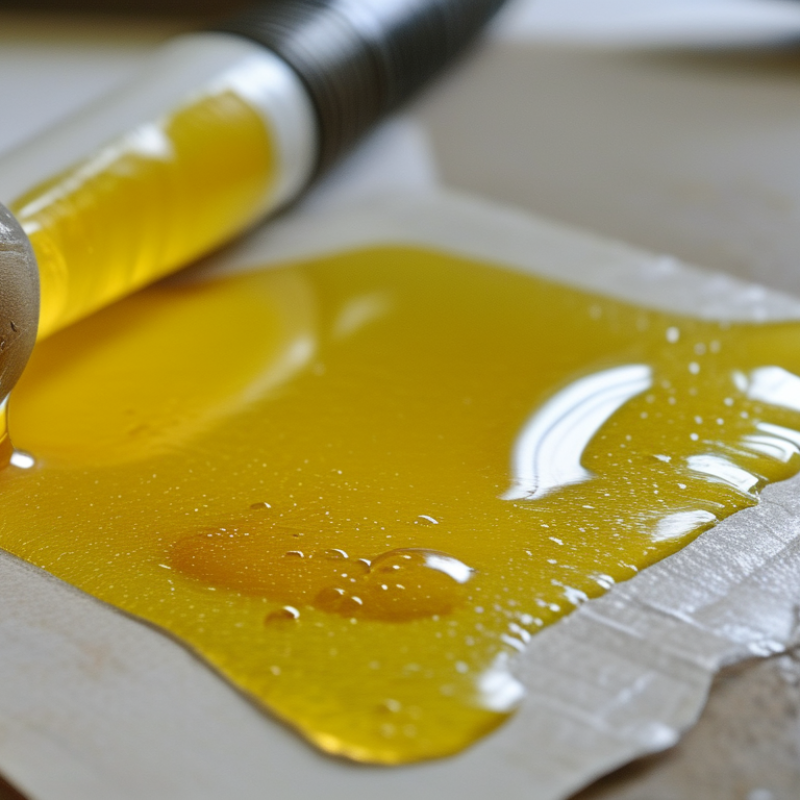
What Is Adhesive Gum and How Is It Used? This question sounds simple, but the material deserves a closer look. Adhesive Gum is a gum-based bonding agent used to join paper, cardboard, fabric, labels, and selected lightweight surfaces. It may contain gum arabic, dextrin, starch, or other natural and modified binders. The exact formula changes its tack, drying speed, flexibility, and moisture resistance.

Hydrocolloid specialist Dr. G. O. Phillips emphasized that “function follows structure.” This principle helps explain why two gum adhesives can behave differently. One may spread like honey across an envelope flap. Another may dry into a firm, nearly invisible film on a paper label. Manufacturers adjust solids, viscosity, and preservatives for specific applications. Users should check the technical data sheet before choosing a product.

Adhesive Gum is commonly applied with a brush, roller, nozzle, or pre-coated surface. Light pressure helps the layers bond evenly. Clean, dry materials usually produce better results. Excess moisture can wrinkle paper. Too little adhesive may create weak edges. Small details matter.

Applications include postage products, carton sealing, bookbinding, office envelopes, craft work, and some packaging systems. However, not every gum adhesive is suitable for skin contact, food packaging, or humid environments. That distinction is easy to overlook. A careful buyer confirms composition, intended use, storage conditions, and relevant safety documentation. Performance also depends on the surface, temperature, and handling time. Even experienced users occasionally choose the wrong viscosity. Testing a small sample remains the safest practical step.
What Is Adhesive Gum and How Is It Used?

Definition and Basic Properties of Adhesive Gum

Adhesive gum is a sticky, usually water-based material used to join lightweight surfaces. It is not one single chemical. The term may describe plant-derived gums, modified starches, or other gum-like binders. These materials often contain polysaccharides that swell or dissolve in water. As the moisture leaves, a thin adhesive film remains.

Its basic properties include tack, viscosity, flexibility, and water sensitivity. Some formulas feel smooth and spread easily with a brush or roller. Others become stringy when applied too heavily. Adhesive gum usually works well on paper, cardboard, labels, envelopes, and certain porous materials. It may provide a clean bond without harsh solvent odors. However, humidity can weaken the joint. Smooth, oily, or dusty surfaces may also reduce adhesion. From practical testing, drying time changes with coating thickness and air movement. That detail is easy to underestimate.

Tips:

Apply a thin, even layer. Press the surfaces together firmly, then allow enough drying time. Test a small hidden area first, especially on colored paper or unfinished wood. Check the technical sheet for storage temperatures and shelf life. Do not assume every gum adhesive is reversible. Some formulas can wrinkle paper or leave a visible film. A small trial often reveals more than a confident guess.


Chemical Composition and Main Types of Adhesive Gum

What Is Adhesive Gum and How Is It Used?

Adhesive gum is usually a water-based bonding material made from natural or modified polymers. Its main chemistry includes polysaccharides, water, plasticizers, tackifiers, and small amounts of preservatives. Gum arabic contains branched arabinogalactan molecules. Dextrin and starch adhesives rely on modified glucose chains. These ingredients create a film after water evaporates.

The main types differ by source and performance. Natural gum adhesives use gum arabic, starch, or dextrin. They suit paper labels, envelopes, cartons, and light crafts. Synthetic gum systems may use polyvinyl alcohol, acrylic polymers, or rubber-based tackifiers. They offer better moisture resistance and faster setting. Pressure-sensitive gum remains tacky without heating. Hot-melt gum uses heat to flow and bond. According to Grand View Research’s 2024 adhesives market analysis, the wider adhesives and sealants market was valued at about 78 billion US dollars in 2023. However, gum adhesive categories are reported inconsistently. The boundary is not clean. That limitation matters when comparing market data.

Tips: Check viscosity, solids content, pH, and open time before production. A 2024 Smithers packaging report highlights growing demand for recyclable and water-based bonding systems. Still, “eco-friendly” does not guarantee good performance. Test the adhesive on the actual paper, coating, humidity level, and storage temperature. I have found that a simple peel test often reveals more than a technical label. Some results remain surprisingly variable.

How Adhesive Gum Creates a Bond

Adhesive gum is a tacky material designed to join two surfaces. It may contain natural gums, synthetic polymers, water, or other carefully selected additives. Its bonding action begins when the soft adhesive spreads across a surface. This spreading is called wetting.

Good wetting matters. Tiny surface gaps are filled. The gum then forms close contact with the material beneath it. At this stage, gentle pressure helps remove air pockets and improves contact. The bond also gains strength through mechanical interlocking. On paper or fabric, the adhesive can settle into small pores and fibers. On glass or metal, surface cleanliness becomes more important.

As water or another carrier evaporates, the gum becomes firmer. Some formulas also develop strength through polymer linking during drying or curing. Time, temperature, humidity, and pressure all affect the result. A damp room may slow drying. Excess adhesive may remain soft for too long. Less is sometimes better.

I once assumed that a thicker layer would create a stronger bond. That idea was too simple. In practice, a thin, even layer often performs better. The surfaces must fit closely and remain still while the adhesive sets. Dust, oil, and moisture can interfere with bonding. Testing a small area first is sensible, especially with delicate materials. Even then, results can vary because surfaces are rarely perfectly uniform.

Common Applications Across Different Industries

Adhesive gum refers to a sticky bonding material made from natural gums, modified polymers, or synthetic resins. The term is not perfectly precise. In practice, manufacturers often use it for water-based adhesives that spread easily and form a flexible bond after drying. Their performance depends on moisture, temperature, surface texture, and curing time.

Packaging is one of the most common applications. Adhesive gum seals paper cartons, closes envelopes, and attaches labels to glass, cardboard, or plastic containers. A production worker may apply a thin layer with a roller, then press the surfaces together for several seconds. Paper products benefit from low odor and clean application. However, excessive moisture can wrinkle thin paper or weaken the bond.

In woodworking, adhesive gum can join veneers, edge strips, and lightweight panels. Furniture makers usually check open time before clamping parts. In textiles, it helps attach temporary labels, stiffen fabric edges, or secure decorative layers. Construction materials may use it for wallpaper, insulation facing, and certain interior panels, provided the product matches the substrate. Medical and hygiene products sometimes use specialized adhesive gums for tapes or protective coverings. These applications require controlled formulations, skin testing, and documented quality checks. Small details matter. A bond that feels strong today may fail under heat, humidity, or repeated bending. For reliable results, users should follow technical data sheets and test the exact materials before full-scale production.

Adhesive gum is used where materials need to be joined, sealed, laminated, or temporarily fixed. The chart shows the number of representative common applications across major industries, including packaging, construction, woodworking, paper converting, textiles, automotive interiors, and electronics assembly.

Safe Handling, Storage, and Environmental Considerations

Adhesive gum is a sticky bonding material used for paper, labels, packaging, and light craft work. Its formula may contain natural gums, synthetic polymers, water, or preservatives. Read the product label and safety data sheet before opening the container. Small differences matter.

Wear nitrile gloves when handling larger amounts. Protect your eyes from splashes. Work near an open window, especially if the gum has a noticeable odor. Keep food, drinks, and dusty tools away from the work area. A damp cloth can remove fresh residue, but dried adhesive may require gentle scraping. Do not pull it from skin forcefully. Wash with warm water and mild soap.

Keep the container tightly closed in a cool, dry cabinet. Avoid direct sunlight, freezing temperatures, and strong heat. Store it upright, with the original label visible. Check for separation, unusual odor, mold, or hardened pieces before use. Do not mix old and new batches without technical guidance. That shortcut can cause uneven bonding.

Use only the amount needed. Excess adhesive creates more waste and may increase cleaning problems. Never pour leftover material into a sink or outdoor drain. Collect unusable residue in a sealed container, then follow local waste instructions. Some gum adhesives break down more readily than others. “Natural” does not automatically mean harmless. Packaging can also carry residue, so rinse or dispose of it according to local requirements. My practical mistake was storing a partly open container; the surface thickened overnight. A simple date label would have prevented that.

What Is Adhesive Gum and How Is It Used? - Safe Handling, Storage, and Environmental Considerations

Data Dimension Practical Information Safety or Environmental Note
Definition Adhesive gum is a gum-based bonding material made from natural or modified polysaccharides, often supplied as a liquid, paste, powder, or dry film. The exact composition and hazards depend on the formulation. Always consult the product Safety Data Sheet (SDS).
Typical Sources Common gum-based ingredients may include plant-derived gums such as starch derivatives, dextrin, gum arabic, or cellulose-based materials. “Natural” does not automatically mean non-irritating or environmentally harmless.
Common Uses Used for paper products, envelopes, labels, bookbinding, packaging, crafts, textiles, and light assembly work. Select a formulation suitable for the substrate and intended use to reduce waste and rework.
Bonding Mechanism Bonding generally occurs when water or another carrier evaporates, allowing the gum solids to form an adhesive film. Excess moisture, contamination, or unsuitable temperatures can weaken the bond and increase material waste.
Physical Form Liquid and paste products are applied directly; powders are generally mixed with water; dry adhesive films are activated by moisture, pressure, or heat depending on the formulation. Avoid creating airborne dust when handling powdered products.
Main Exposure Routes Exposure may occur through skin or eye contact, accidental ingestion, or inhalation of dust or aerosols during mixing or spraying. Use ventilation and hygiene controls appropriate to the product’s SDS.
Basic Personal Protection Wear protective gloves and safety glasses when splashing or prolonged contact is possible. Use protective clothing for larger-scale operations. Wash hands after handling and before eating, drinking, or smoking.
Dust Control When handling dry gum powders, pour slowly, keep containers closed, and use local exhaust ventilation where dust may form. Do not use compressed air to clean settled dust; use suitable vacuum equipment or wet-cleaning methods.
Skin Contact Remove contaminated clothing and rinse the affected skin with plenty of water. Wash with mild soap if needed. Seek medical advice if irritation persists or if the SDS identifies additional hazards.
Eye Contact Rinse cautiously with clean water for several minutes, holding the eyelids open. Remove contact lenses if easy to do. Obtain medical attention if pain, redness, or blurred vision continues.
Spill Response Restrict access, prevent slips, and collect liquid or paste with an absorbent material. Sweep or vacuum dry material without generating dust. Prevent concentrated material from entering drains, soil, or surface water.
Storage Temperature Store within the temperature range specified by the manufacturer’s SDS or technical data sheet; avoid freezing or excessive heat unless the product is designed for it. Temperature extremes can cause separation, thickening, premature drying, or loss of bonding performance.
Moisture and Humidity Keep liquid containers tightly closed and protect dry powders or films from humidity and water. Moisture can promote clumping, microbial growth in water-based products, or premature activation.
Container Management Keep products in their original, clearly labeled containers and close them promptly after use. Do not reuse adhesive containers for food, beverages, or other unrelated materials.
Shelf Life Shelf life varies with formulation, packaging, preservatives, and storage conditions. Check the date and appearance before use. Discard products that show mold, strong off-odors, irreversible separation, or major changes in viscosity unless the supplier confirms they remain suitable.
Fire Considerations Many water-based gum adhesives are not highly flammable as supplied, but dry organic powders and packaging materials may burn. Follow the SDS for flash point, combustible-dust risks, extinguishing media, and storage near ignition sources.
Waste Handling Allow small quantities of water-based residue to dry where permitted, then dispose of it with solid waste according to local rules. Do not pour concentrated adhesive, cleaning solution, or large quantities into drains unless local wastewater requirements specifically allow it.
Biodegradability Many plant-based gum components can biodegrade under suitable conditions, but additives, preservatives, synthetic polymers, and pigments may alter environmental behavior. Evaluate the complete formulation rather than assuming that all gum adhesives biodegrade at the same rate.
Water Pollution Risk Large releases of organic adhesive material can increase the biological oxygen demand of wastewater and may affect aquatic conditions. Use spill prevention, collect residues, and follow local wastewater and hazardous-waste requirements.
Lower-Impact Practices Use the minimum effective amount, maintain clean application equipment, select recyclable packaging where practical, and purchase quantities that can be used before expiration. Reducing over-application and product spoilage lowers material consumption and disposal needs.
Regulatory Reference Classification, labeling, transport, and disposal requirements depend on the product composition and the jurisdiction where it is used. Use the current SDS, label instructions, workplace rules, and local environmental regulations as the controlling references.

An exceptional record of quality and service for 35+ years.